By Ken Bianchi February 24, 2026
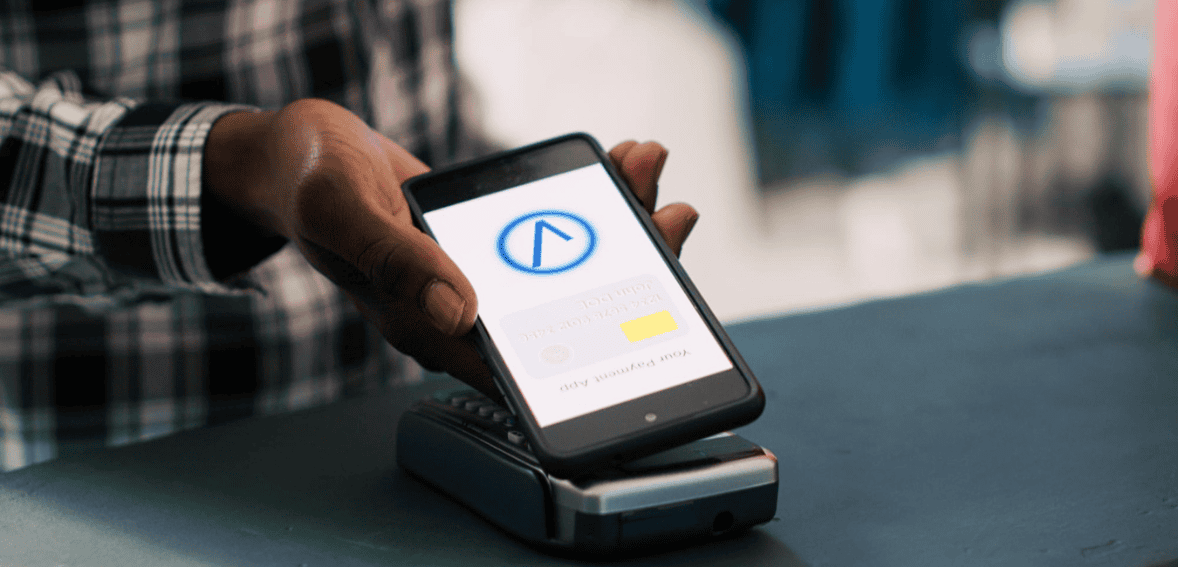
Across Indiana, consumer payment habits are evolving quickly. From Indianapolis to Fort Wayne and smaller towns throughout the state, more shoppers are relying on their smartphones and contactless cards to complete purchases. Convenience and speed now influence buying decisions as much as price or product selection. For businesses, adapting to these changes is no longer optional. Offering tap-to-pay capabilities can shape how customers perceive your store and whether they return.
Mobile wallet Payments has become an important part of modern checkout experiences. Many customers expect to pay by simply tapping their phone or card rather than swiping or inserting. Indiana businesses of all sizes can benefit from understanding how contactless payment systems work and how to implement them correctly. By investing in reliable tap-to-pay technology and educating staff and customers, retailers can enhance satisfaction and streamline daily operations while staying competitive in a rapidly changing marketplace.
Understanding Contactless and Mobile Wallet Technology
Contactless payments rely on near field communication technology that allows a device to transmit payment information securely when placed close to a compatible terminal. Tap-to-pay transactions use encrypted signals that exchange data in seconds, making checkout faster and more convenient. Smartphones, smartwatches, and contactless cards all support this technology.
Mobile wallet acceptance refers to the ability of a business to process transactions made through digital wallets that store card details securely on a device. Rather than presenting a physical card, customers authenticate through fingerprint recognition, facial recognition, or device passcodes. The technology protects sensitive information by tokenizing card numbers, reducing exposure to fraud risks. Understanding how these systems function helps Indiana retailers evaluate hardware needs and prepare for installation effectively.
Why Indiana Businesses Are Adopting Tap to Pay
Indiana’s economic landscape includes retail stores, restaurants, healthcare offices, and service providers that benefit from faster transactions. Tap-to-pay systems reduce waiting times, particularly during busy shopping periods or lunchtime rushes. Businesses that introduce mobile wallet acceptance often notice smoother lines and improved customer flow.
Beyond speed, contactless payments support improved hygiene by limiting physical contact with shared devices. Customers appreciate minimal touch interactions, especially in settings where cleanliness is a priority. Indiana retailers who embrace mobile wallet acceptance demonstrate responsiveness to consumer demand. Investing in tap-to-pay technology signals that a business keeps pace with evolving expectations and values convenience as part of the customer experience.
Evaluating Your Current Payment Infrastructure
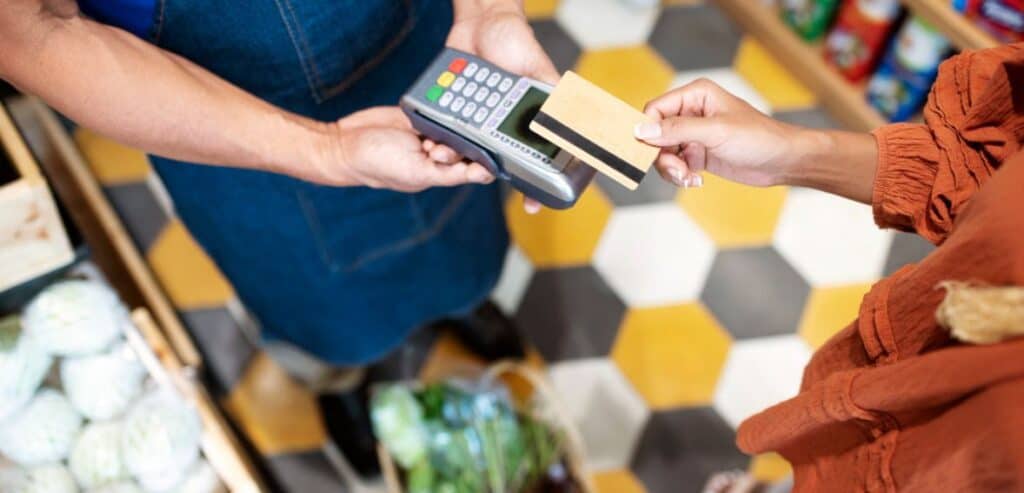
Before introducing tap-to-pay features, businesses should examine existing hardware. Many modern payment terminals already support contactless functionality, but older devices may require replacement. Evaluating whether your current system supports mobile wallet acceptance is a critical first step.
If your terminal does not display the universal contactless symbol, upgrading may be necessary. Indiana business owners should consult with payment providers to confirm compatibility. Integrating tap-to-pay into existing systems ensures minimal disruption during transition. Careful assessment prevents unnecessary purchases and allows for smoother mobile wallet acceptance implementation.
Selecting the Right Contactless Enabled Terminal
Choosing the right payment device influences reliability and security. Contactless capable terminals must meet encryption standards and support tokenized transactions. Retailers in Indiana should verify that devices support major wallet platforms commonly used by customers.
Tap-to-pay transactions require certified hardware that can authenticate device based payments accurately. Mobile wallet acceptance becomes seamless when terminals support quick processing and clear prompts. Selecting a reputable device manufacturer and confirming secure setup ensures consistent transaction performance. Investing in high quality equipment supports long term stability and customer confidence.
Coordinating With Your Payment Processor
Introducing tap-to-pay capabilities involves coordination with payment processors. Even if hardware supports contactless, activation requires backend configuration. Mobile wallet acceptance settings must be enabled within merchant accounts.
Payment processors can guide Indiana businesses through compatibility checks and configuration updates. Tap-to-pay activation often requires software updates that align terminal systems with processor networks. Clear communication with providers reduces setup delays and prevents transaction errors. Working closely with payment partners ensures proper testing before going live.
Training Staff for Seamless Transactions
Successful mobile wallet acceptance depends on well trained staff. Employees should understand how tap-to-pay transactions operate and how to guide customers unfamiliar with contactless technology. Clear communication reduces confusion at checkout.
Staff training sessions can include demonstrations of holding cards or devices near terminals until confirmation appears. Employees should also understand troubleshooting steps in case of declined transactions. When Indiana staff members feel confident explaining tap-to-pay procedures, customer trust increases. Proper training transforms new technology into a smooth routine rather than a complicated change.
Educating Customers About Tap to Pay
Not all customers immediately recognize contactless symbols or understand how mobile wallet acceptance works. Clear signage at checkout counters can encourage adoption by highlighting tap-to-pay availability. Visible reminders inform shoppers that their phones and contactless cards are accepted.
Simple verbal cues from employees can also increase usage. For example, cashiers can mention that customers may tap their phone if preferred. Indiana businesses can place contactless decals near entrances to indicate mobile wallet acceptance. Educating customers promotes faster adaptation and ensures technology investments are fully utilized.
Ensuring Data Security and Compliance
Security remains a priority in any payment system upgrade. Tap-to-pay technology uses encryption and tokenization to protect sensitive data. Even so, businesses must maintain network security and follow payment industry guidelines.
Mobile wallet acceptance should operate within secure networks protected by firewalls and updated software. Indiana merchants should schedule routine system checks to confirm terminals remain compliant. Regular updates prevent vulnerabilities and maintain secure transaction processing. Protecting payment data reinforces customer confidence and protects businesses from reputational damage.
Monitoring Transaction Performance After Launch
After enabling tap-to-pay capabilities, monitoring performance helps identify opportunities for improvement. Businesses should review transaction volumes related to mobile wallet acceptance separately from traditional card payments. Tracking usage trends reveals how quickly customers adopt contactless methods. Analyzing checkout speed and decline rates can highlight operational benefits. Indiana retailers may notice reduced transaction times during high traffic hours. Consistent monitoring ensures that tap-to-pay functionality performs reliably and continues meeting customer expectations. Performance review supports informed decision making for future payment upgrades.
Integrating Contactless Payments With Online Channels
Many Indiana businesses operate both physical and online stores. Integrating mobile wallet acceptance across channels strengthens consistency. Customers who use digital wallets online often appreciate the option in person as well. Tap-to-pay integration can complement ecommerce checkout features. Unified payment systems simplify reporting and reduce reconciliation complexity. Creating a seamless payment journey across digital and physical platforms enhances brand reputation. Coordinated systems ensure that mobile wallet acceptance becomes part of a holistic customer experience rather than a standalone feature.
Addressing Common Setup Challenges
Some retailers encounter minor challenges during installation. Connectivity issues, outdated firmware, or incomplete configuration can delay tap-to-pay activation. Preparing for potential obstacles improves readiness. Mobile wallet acceptance troubleshooting often involves verifying network strength and updating software. Indiana businesses should establish a support contact within their payment provider for quick assistance. Planning ahead prevents operational disruptions. Addressing setup challenges proactively ensures a smoother transition to contactless payment systems.
Planning for Future Payment Trends
Technology continues to evolve, and today’s innovations pave the way for tomorrow’s expectations. Indiana businesses that adopt tap-to-pay systems position themselves for additional digital advancements. Mobile wallet acceptance often serves as a foundation for expanded features such as loyalty integration or digital receipts. Forward planning includes evaluating whether current terminals support future software enhancements. Businesses that remain adaptable can integrate new payment options more easily. Preparing for ongoing innovation allows retailers to stay ahead of customer expectations and maintain competitive advantage.
Calculating Costs and Return on Investment
Before adopting tap-to-pay technology, Indiana businesses must consider the financial implications. Although many terminals are already equipped with contactless technology, upgrades or new installations may require an initial outlay. By comparing the costs of hardware with the long-term benefits, businesses can decide if accepting mobile wallet payments is a good fit. Faster checkout times and shorter lines can mean serving more customers during peak periods, potentially boosting revenue.
Tap-to-pay technology can also extend the life of chip card readers, as contactless payments require fewer physical interactions. By reducing maintenance requirements, businesses can mitigate hardware costs. Businesses must discuss any adjustments to processing fees with their payment service providers regarding mobile wallet acceptance. In most instances, fees are comparable to those for standard card transactions, but it is essential to clarify to avoid any confusion. By considering multiple factors, such as the speed of transactions, customer satisfaction, and operational efficiency, businesses can gain a complete understanding of return on investment. By careful planning, contactless upgrades can be a strategic move rather than simply a technology expenditure.
Creating a Customer Friendly Checkout Environment
The implementation of tap-to-pay technology is not only about the equipment but also about the customer experience. Placing the terminals in a visible manner and at a comfortable height promotes ease of use. Signage that emphasizes the acceptance of mobile wallets can also reassure customers who are reluctant to adopt contactless payments. Small changes in the design of the counter can help customers tap their cards confidently without having to position them in awkward ways.
Indiana merchants will find that once a few customers start using tap-to-pay technology, others soon follow suit. This can be encouraged through subtle cues such as reminders from friendly cashiers. Keeping the terminals clean and ensuring that the screens display clear instructions also helps to build confidence. Mobile wallet acceptance should feel like a natural process rather than an imposition. By designing a space that emphasizes ease of use, businesses send a clear message that tap-to-pay technology is trustworthy, secure, and convenient for everyday transactions.
Supporting Small Businesses and Local Communities
Contactless technology is beneficial not only to individual retailers but also to the Indiana community at large. Small businesses in the Indiana community that implement tap-to-pay technology will be able to compete favorably with larger businesses that have already implemented innovative payment technologies. Mobile wallet acceptance gives small businesses a level playing field by indicating that even small businesses in the community are embracing innovation.
Customers typically view innovative payment technologies as indicative of professionalism and reliability. By allowing local businesses to offer tap-to-pay technology, the community will be able to build trust and loyalty. Indiana consumers will likely favor businesses that offer convenient checkout experiences without having to use cash. Mobile wallet acceptance will also be attractive to the younger generation, who are smartphone-dependent.
Staying Compliant With Payment Industry Standards
Although tap-to-pay transactions are intended to be secure, it is still important for businesses to comply with regulations in the payment industry. This will ensure that mobile wallet acceptance is a secure process. Indiana businesses should check to ensure that their terminals are compliant with the latest security standards and that software updates are done in a timely manner.
Regular audits and system checks can help ensure that encryption standards are still active and functioning as they should. Although tap-to-pay transactions use tokenization to secure card information, network security and access are still important. Mobile wallet acceptance performs well in an environment where cybersecurity is a priority. Regular system checks and training employees on secure handling of payment equipment can go a long way in preventing breaches.
Conclusion
Getting started with contactless and mobile wallet payments in Indiana requires planning, collaboration, and clear communication. By evaluating existing infrastructure, selecting compatible terminals, and coordinating with payment processors, businesses can enable tap-to-pay smoothly. Mobile wallet acceptance enhances speed, convenience, and customer satisfaction. Education and monitoring ensure long term success. As more customers embrace digital wallets, Indiana retailers who invest in contactless technology strengthen their competitiveness. Tap-to-pay capabilities represent more than a technical upgrade. They reflect a commitment to meeting modern expectations and delivering efficient checkout experiences in every transaction.