By Ken Bianchi December 17, 2025
Payment terminals have become an essential part of retail operations across Indiana. As customer expectations evolve and technology advances, retailers must choose hardware that supports smooth transactions while ensuring security and reliability. Choosing the right device affects not just how quickly payments are processed but also how customers perceive the business. With so many options available, understanding key features becomes important. A clear POS hardware guide helps retailers make informed decisions and select tools that align with their business size, customer base and operational workflow. Whether a shop handles high traffic or serves niche customers, the right payment terminal improves efficiency, reduces errors and supports long term growth.
The widespread adoption of contactless payments, mobile wallets and EMV chip cards has reshaped the landscape of payment acceptance. Indiana retailers now need terminals that can support chip, tap, swipe and mobile transactions without complications. As contactless terminals become more common, consumers expect fast, touch free checkout options in stores, restaurants and service based businesses. Selecting the right terminal goes beyond choosing a device that simply “works.” Retailers must consider connectivity, durability, integration with POS software and compatibility with modern payment methods. By understanding how various payment technologies function, retailers can select hardware that enhances both daily operations and customer satisfaction.
Understanding the Different Types of Payment Terminals
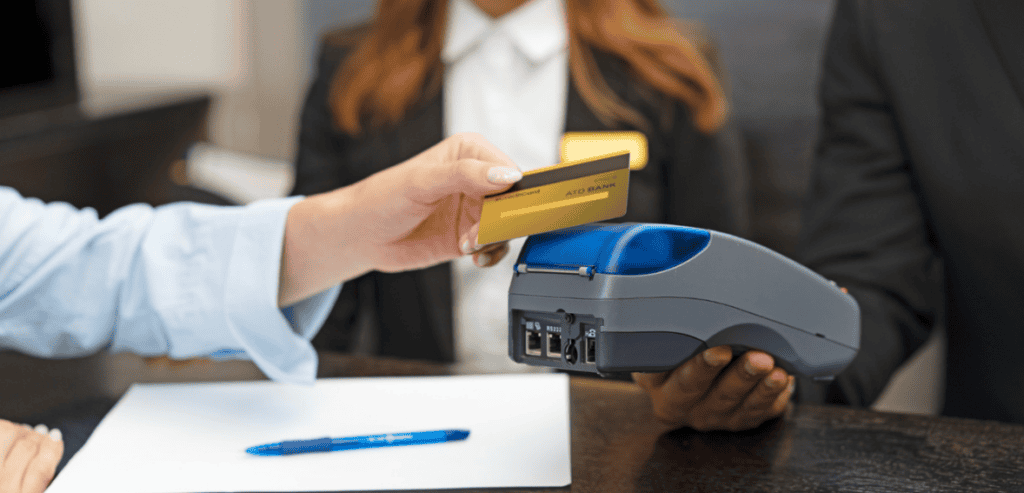
First off, retailers need to clearly distinguish between different types of payment terminals that are accessible to them. An accurate POS hardware guide features various devices such as chip readers, magnetic stripe readers, NFC enabled contactless options and mobile terminals which are specifically designed for handheld use. Chip readers are the source of interaction for modern credit and debit cards and are the main reason for increased security and fraud protection.
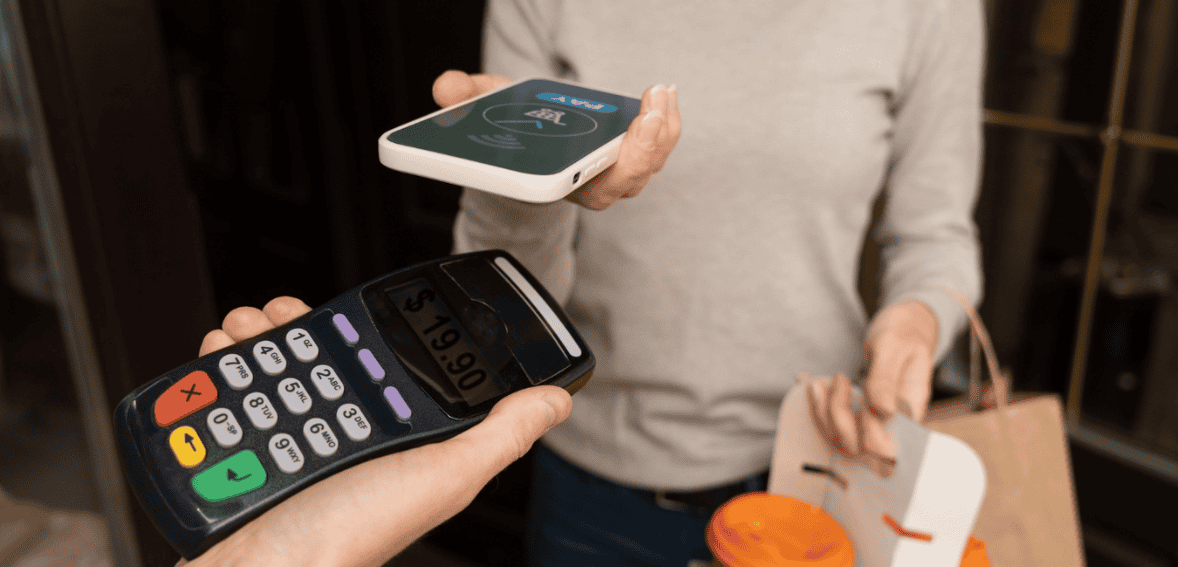
There are still some swipe readers left but they are regarded as less secure and therefore only used for backup or legacy transactions. Contactless options enable tap to pay which can be done with cards, smartphones or wearables. Quite a few shoppers from Indiana have started to opt for this method of payment as it not only speeds up checkout but also lessens the physical interaction between parties.
Mobile terminals which are mostly used in conjunction with tablets or smartphones are a great tool for the likes of curbside service, delivery handling and temporary setups at farmers markets or events. Such terminals are of great interest to small shops that are mobile and provide an easy way of setting up. Contactless terminals are a good choice if you want to make it easy for customers to use Apple Pay, Google Pay or any other digital wallets.
A retailer, having knowledge about all these options, can make his/her terminal choice in line with business goals and customer preferences. By choosing among these types, you make sure that the service flow is not disrupted and the occurrence of transaction issues at the point of sale are minimal.
Why EMV Chip Compatibility Is Non-Negotiable for Retailers
Security standards have changed substantially following the introduction of EMV chips as the main card technology in the US. A reliable POS hardware guide makes it clear that to keep fraud liability low and to give customer data the necessary protection, a device must be chip compatible. EMV cards generate secure codes for transaction details, thus they are much safer than magnetic stripe cards. Any terminal that does not have chip capability is a retailer who is financially at risk of fraudulent transactions. Businesses in Indiana, which are heavily dependent on card payments, will be able to avoid chargebacks resulting from non-compliance with EMV standards.
Besides security, chip transactions also enable the growth of customer loyalty. Customers are sure of themselves when they see that merchants use up-to-date terminals that keep their card information safe. Also, chip readers allow the use of card authentication methods which in turn lessen the risk of counterfeit fraud. Even though swipe functionality is still there for older cards, chip acceptance is what guarantees you will be around in the future. Those who are either upgrading their stores or opening new ones should let their contactless terminals with chip-enabled capabilities, which also support other payment methods, be their first choice. EMV compatibility is still one of the strongest pillars for safe and trustworthy payment acceptance.
Growing Demand for Contactless Payments in Indiana
Consumer behavior is changing rapidly with the increasing preference of fast and touch-free transactions. It might be a convenient way or even a hygienic one, but contactless terminals have been the most attractive means of payment in stores all over Indiana. Checkouts are faster, errors are less, and the customer experience is pleasant. A full POS hardware guide serves NFC technology as a significant feature to consider when choosing payment terminals. NFC-enabled devices interact in a secure way with cards and mobile wallets; hence the tap process is effortlessly and naturally done.
As mobile wallets become more popular, retailers who install contactless hardware will be perceived as more up-to-date and customer-friendly. In this way, the use of cards is lessened and there is no need for physical handling. Moreover, contactless payments are also a great support for loyalty and reward programs, thus customers can easily engage with such digital incentives. Indiana retailers through tap-to-pay options not only fulfill the present requirements but also get ready for the future trends. In fact, contactless compatibility has been a feature that has quickly transitioned from being optional to a requirement for businesses that want to remain competitive.
The Role of Mobile Terminals in Modern Retail
Flexibility is crucial for retailers who operate outside traditional checkout counters. Mobile terminals provide that flexibility by allowing staff to process payments anywhere in the store or off site. This capability is especially useful for curbside pickup, food trucks, delivery operations, pop up markets and mobile service providers. A detailed POS hardware guide includes mobile options that integrate seamlessly with cloud based POS software. These terminals often use Bluetooth or Wi Fi connectivity and pair with smartphones or tablets for full functionality.
When paired with a POS platform, mobile terminals support inventory tracking, receipts and customer profiles. Their lightweight and portable design makes them perfect for businesses that prioritise mobility. Contactless terminals often include mobile versions that allow tap payments in outdoor or event settings. Indiana retailers adopting mobile solutions enjoy more flexibility and can serve customers faster during busy periods. Mobility creates efficiency, reduces line congestion and gives retailers more ways to complete transactions smoothly.
Evaluating Connectivity Options for Payment Terminals
Reliable connectivity ensures uninterrupted payment acceptance. Terminal performance depends heavily on Wi Fi, Ethernet or cellular networks used to transmit transaction data. A comprehensive POS hardware guide teaches retailers how to evaluate these options. Wi Fi terminals offer convenience and easy installation but require stable networks. Ethernet based terminals provide strong reliability but may limit placement flexibility. Cellular enabled devices are ideal for mobile businesses or areas with inconsistent internet connections.
Choosing terminals with multiple connectivity options reduces risk. Contactless terminals that support backups like cellular fallback prevent disruptions during Wi Fi outages. Indiana retailers operating in rural regions benefit from devices that can switch between connection types instantly. A stable connectivity setup prevents lost transactions, long wait times and customer frustration. Selecting hardware that adapts to various environments ensures consistently high performance.
Terminal Durability and Design Considerations
Durability matters because payment terminals undergo heavy daily use. Retailers need devices built to withstand frequent handling, spills, counter impact and environmental changes. A reliable POS hardware guide encourages businesses to evaluate construction materials, keypad resilience, touchscreen quality and overall ergonomic design. Terminals should also be easy for employees to clean, especially in high traffic environments like cafés, convenience stores and pharmacies.
Modern contactless terminals often feature durable touchscreens that support swipe, tap and signature input without wearing down quickly. Retailers should consider how terminals will be used. A busy grocery store requires sturdy devices that endure constant checkout activity, while boutique shops may prefer sleek, lightweight models that match their brand aesthetic. Durability impacts long term costs because sturdier terminals require fewer replacements and reduce downtime.
Software Integration and Compatibility
A payment terminal is only as effective as the POS software it communicates with. This makes software compatibility an essential element of any POS hardware guide. Retailers should ensure the hardware they choose integrates smoothly with their existing POS system. Integration affects inventory management, reporting accuracy, customer tracking and receipt generation. Choosing incompatible terminals can cause connection failures, data mismatches and frustration for staff.
Contactless terminals that integrate well with POS software offer a fluid checkout experience because all parts of the system communicate in real time. Proper integration also supports loyalty programs, multi channel selling and customer preference tracking. Indiana retailers benefit from selecting terminals tested and validated by their POS provider. Seamless software compatibility reduces errors and ensures smoother transactions across all payment methods.
Security Features Retailers Must Prioritize
Security remains one of the most important considerations when selecting payment terminals. Retailers must safeguard customer card information and stay compliant with PCI standards. A trusted POS hardware guide includes recommendations for encryption, tokenization and tamper resistant hardware. Terminals should encrypt card data immediately to prevent unauthorized access. Tokenization replaces sensitive details with secure placeholders that minimize risk during transfer or storage.
Modern contactless terminals are designed with advanced security protocols that defend against cloning, skimming and wireless interception. Additional features such as customer authentication tools help verify legitimate transactions. Indiana retailers choosing secure hardware reduce fraud risks, maintain customer trust and comply with industry regulations. Investing in strong security features protects both the business and its customers.
Cost Versus Long-Term Value
Terminal pricing varies based on features, durability and software compatibility. While cost is an important factor, retailers should evaluate long term value instead of focusing solely on upfront expense. A thorough POS hardware guide encourages retailers to consider maintenance costs, expected lifespan and upgrade flexibility. Cheaper terminals may lack necessary features or break down sooner, causing additional expenses later.
Contactless terminals represent strong long term value because they support future payment trends. By investing in versatile devices now, Indiana retailers avoid frequent replacements as customer preferences evolve. Long term value also includes service contracts, warranty coverage and repair support. Retailers benefit from selecting terminals that deliver reliable performance and maintain compatibility with upcoming technologies. This approach ensures sustainable operations and well managed financial investment.
Preparing for Future Payment Technology Trends
The retail payment landscape continues evolving as technology develops. Choosing future ready terminals ensures that businesses remain competitive. Following a forward looking POS hardware guide helps retailers understand trends such as biometric payments, QR code acceptance, digital IDs and next generation encryption. Terminals should be adaptable through software updates or modular hardware designs capable of supporting new features seamlessly.
Contactless terminals are likely to expand in functionality as more consumers adopt digital wallets and alternative payment methods. Retailers should expect rapid changes in both hardware and software over the next decade. Preparing for these innovations begins with choosing flexible, modern terminals today. Indiana retailers that adopt future ready devices position themselves as leaders in customer convenience and payment technology readiness.
Conclusion
Selecting the right payment terminal is one of the most impactful decisions Indiana retailers make. A well structured POS hardware guide helps businesses evaluate features such as EMV compatibility, NFC support, mobile flexibility, connectivity strength, security protocols and long term durability. As contactless terminals become the standard for fast and secure transactions, retailers must ensure that their hardware aligns with customer expectations and modern payment behaviours. Choosing wisely enhances operational efficiency, reduces checkout errors and builds customer trust. With careful evaluation and forward thinking, Indiana retailers can select terminals that support both current needs and future growth.