By Ken Bianchi June 16, 2026
Payment technology has evolved dramatically over the past decade. Businesses no longer rely solely on fixed credit card machines sitting behind a checkout counter. Today, retailers, restaurants, service providers, event vendors, and mobile businesses have access to a wide range of payment solutions designed to meet changing customer expectations. As consumers increasingly prefer fast, flexible, and contactless transactions, businesses are exploring technologies that allow them to accept payments wherever customers are located.
Among the most significant developments in this space is the rise of mobile POS systems. These modern solutions have transformed how businesses process payments, manage inventory, and interact with customers. At the same time, traditional credit card terminals continue to play an important role in many retail environments due to their reliability and familiarity. Understanding the differences between these two technologies is essential for businesses seeking the right payment infrastructure.
Choosing between a mobile POS system and a traditional terminal is not simply a technology decision. It affects customer experience, operational efficiency, reporting capabilities, scalability, and long-term business growth. By understanding the strengths and limitations of each option, business owners can make informed decisions that support their operational goals and customer service objectives.
Understanding Traditional Credit Card Terminals
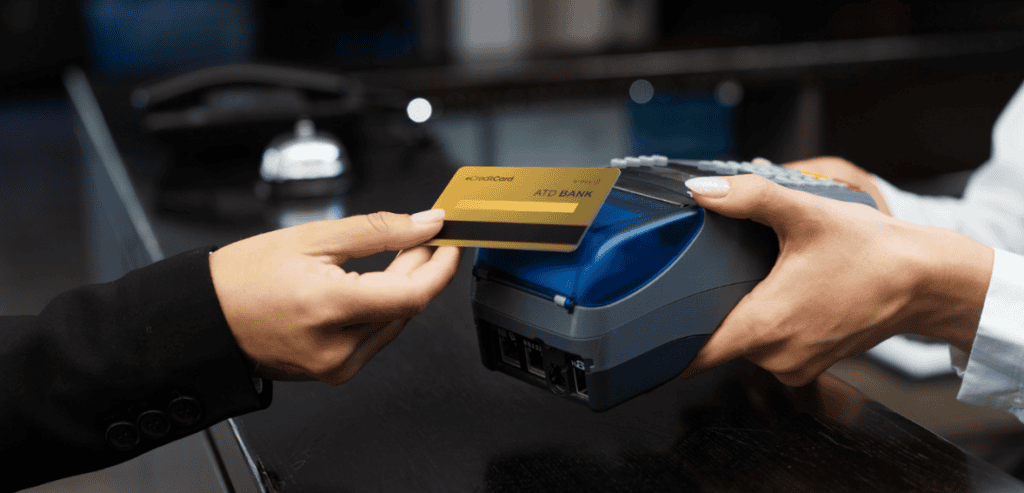
Traditional credit card terminals have been a standard fixture in retail environments for many years. These devices are designed primarily to process card payments through debit cards, credit cards, and contactless payment methods. They are typically positioned at fixed checkout locations and connected through wired internet, telephone lines, or dedicated network connections.
The primary purpose of traditional terminals is payment processing. Customers insert, tap, or swipe their cards, and the terminal communicates with payment processors to authorize transactions. While newer models have introduced additional features such as contactless payments and digital receipts, their core function remains centered on transaction acceptance.
Many businesses continue to rely on traditional terminals because they are straightforward and easy to operate. Employees require minimal training, and customers are familiar with the payment process. For smaller retailers with simple transaction requirements, traditional systems often provide a dependable solution without unnecessary complexity.
Despite their reliability, traditional terminals are generally limited in functionality. They often operate independently from broader business systems and may not provide advanced inventory tracking, customer management, or detailed reporting capabilities. This limitation has driven many businesses to explore more comprehensive payment technologies.
What Is a Mobile POS System?
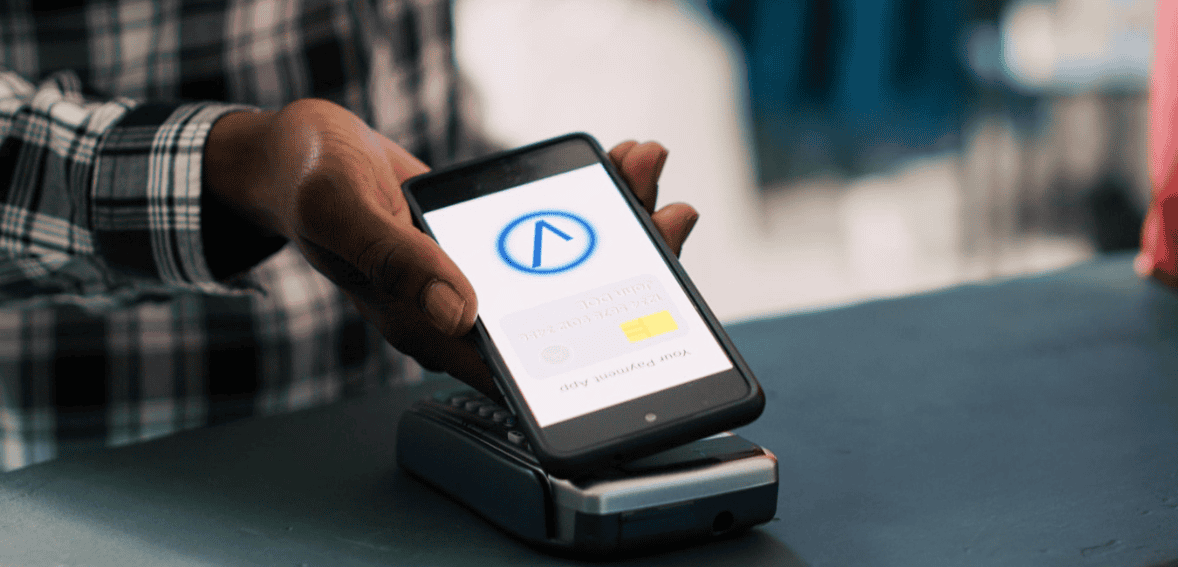
A mobile POS system combines the functions of payments and business management using mobile phones, tablets, or dedicated devices. The difference between mobile POS and conventional terminals lies in the capability to take payments from virtually anywhere with access to the internet.
Mobile POS systems for Indiana companies not only accept payments but at the same time manage inventory, collect customer data, generate reports, and integrate with accounting software. All these features make the payment device a fully-fledged business management tool.
Most mobile POS systems have two components: a software program and a wireless card reader that is connected to a smartphone, tablet, or a dedicated mobile device. Staff members can take payments right where business processes take place. Mobile POS systems are becoming popular due to their flexibility.
More and more companies are adopting mobile POS systems because these devices provide greater flexibility and efficiency. It is obvious that companies want to integrate payments into a bigger picture.
Mobility and Flexibility: The Most Visible Difference
One of the most noticeable differences between the two payment systems lies in the concept of mobility. While traditional credit card terminals tend to be stationary, mobile systems provide an opportunity to take payments anywhere within the business premises.
Stationary systems require customers to find a specific checkout point where the purchase will take place. This solution is effective in traditional retail environments, but some problems might occur in peak times or in businesses operating in wider areas. With mobile systems, it is easier to deliver the experience of the checkout process straight to the customers.
Outdoor restaurants, markets, trade shows, deliveries, and even service professionals could gain greatly from the availability of mobile payments solutions. Employees can make purchases anywhere the clients are without making them move around.
Mobile POS Indiana businesses prefer is becoming more popular due to the advantages provided by mobility. With the help of mobile systems, businesses have an opportunity to adjust their payment systems to the needs and requirements of the clients.
Hardware Differences Between the Two Systems
In many ways, traditional terminals and mobile systems differ greatly in hardware structure and functions. Traditional terminals are independent devices that have mainly been created for payment transactions. In many cases, such terminals have built-in components like keyboards, card readers, receipt printers, and communication capabilities.
Mobile systems usually involve either tablets, smartphones, or mobile computers that interact with external payment readers. As mobile devices have more software installed in them, businesses are able to use more capabilities than are available in ordinary terminals.
In many cases, portable payment terminals come equipped with various types of functionalities and are portable at the same time. Such terminals usually offer functionalities related to payment processing, inventory, reporting, and client management in one single piece of equipment.
With the use of mobile devices, businesses have an opportunity to customize hardware according to their needs. It is possible to use certain hardware in such places like retail stores, mobile shops, and vehicles.
Software Capabilities and Business Management Features
One of the primary differences between the traditional terminals and mobile POS systems is that of software functionality. The conventional terminals concentrate more on transactions rather than offering other management functionalities.
On the other hand, cloud POS systems come with a wider range of business management services. Apart from processing payments, these systems can offer inventory management, time tracking for employees, customer relationship management, loyalty services, sales analysis, and accounting among others.
The cloud POS system has a centralized place where all data is stored. The owner of the business can access this information using various gadgets from any location.
Thus, cloud POS systems can help turn your POS system into a business management tool. For businesses seeking to expand their operations, such systems tend to offer an advantage over terminals.
Customer Experience at Checkout
Customer expectations have changed considerably in recent years. Shoppers increasingly expect convenience, speed, and flexibility throughout the purchasing process. The checkout experience plays a major role in shaping customer perceptions of a business.
Traditional terminals provide a familiar payment experience, but they often require customers to complete transactions at designated checkout locations. During busy periods, this can contribute to longer lines and increased waiting times.
Mobile systems allow employees to complete transactions wherever customers are located. This flexibility creates a smoother shopping experience and can reduce congestion in high-traffic environments. Customers appreciate the convenience of completing purchases without waiting in lengthy queues.
Retail checkout technology continues to evolve in response to these changing expectations. Businesses that implement modern payment solutions often discover improvements in customer satisfaction, transaction speed, and overall shopping experiences.
Inventory Management and Real-Time Visibility
Inventory management is another area where mobile systems typically outperform traditional terminals. Basic credit card terminals generally do not maintain detailed inventory records or provide real-time stock visibility.
Cloud POS systems automatically update inventory levels as transactions occur. This real-time synchronization helps businesses maintain accurate stock records and reduce inventory discrepancies. Managers can monitor product availability, identify trends, and make informed purchasing decisions.
Access to accurate inventory information supports better customer service. Employees can quickly determine product availability and provide reliable information to customers. This capability becomes particularly valuable for businesses operating across multiple locations.
As retail checkout technology becomes increasingly integrated with operational systems, inventory visibility has become a key advantage of modern mobile solutions.
Connectivity and Data Access
Traditional terminals often rely on dedicated communication connections that support payment authorization. While these connections are generally reliable, they may offer limited functionality beyond transaction processing.
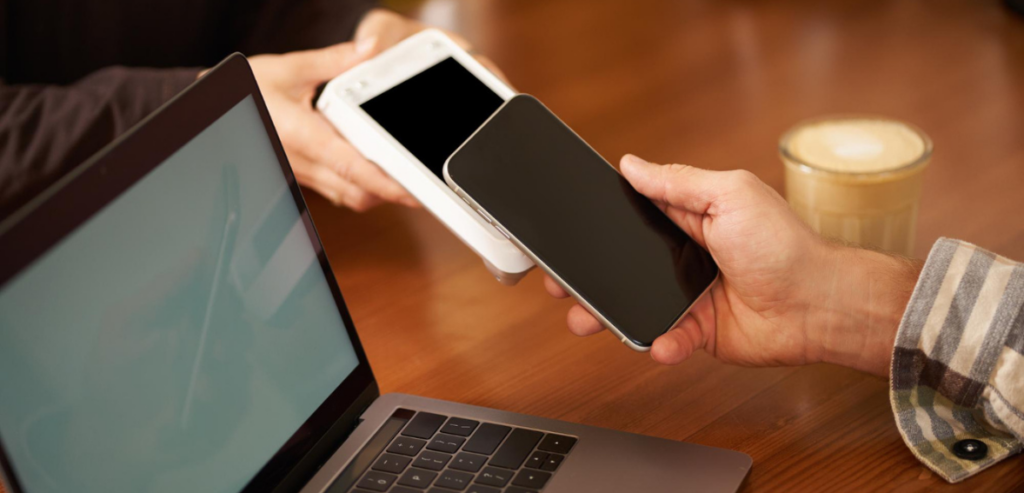
Mobile systems leverage internet connectivity to access cloud-based platforms and business applications. This connectivity enables real-time synchronization of sales data, inventory records, and customer information across multiple locations.
The ability to access information remotely provides significant operational benefits. Business owners can review performance metrics, monitor sales activity, and manage operations even when they are away from the store.
Cloud POS systems support this level of connectivity by centralizing data and making it accessible through secure online platforms. This approach enhances visibility and improves decision-making capabilities across the organization.
Cost Considerations for Businesses
Cost is an important factor when evaluating payment technologies. Traditional terminals often involve lower initial complexity and may appear less expensive for businesses with basic payment processing needs.
However, evaluating costs requires looking beyond hardware expenses. Businesses should consider maintenance, software functionality, scalability, reporting capabilities, and operational efficiency when comparing solutions.
Mobile systems may require subscriptions or software fees, but they often deliver additional value through integrated business management features. Improved efficiency, better inventory control, and enhanced customer experiences can generate returns that offset implementation costs.
Portable payment terminals and mobile systems also offer flexibility that can reduce infrastructure requirements. Businesses may avoid investing in extensive checkout stations while still maintaining effective payment capabilities.
Security and Compliance Requirements
Security remains a top priority for any payment system. Both traditional terminals and mobile solutions must comply with industry standards designed to protect sensitive payment information.
Modern wireless credit card terminals incorporate encryption, tokenization, and secure communication protocols to safeguard transactions. These security measures help protect customer data while reducing fraud risks.
Mobile systems often include similar security protections while benefiting from regular software updates delivered through cloud platforms. Continuous updates help address emerging threats and maintain compliance with evolving security standards.
Businesses evaluating payment technologies should assess security capabilities carefully. Whether choosing traditional terminals or wireless credit card terminals integrated with mobile systems, protecting customer information must remain a central consideration.
Scalability for Growing Businesses
As businesses grow, their technology requirements often become more complex. Payment systems must support increasing transaction volumes, additional locations, and expanding operational needs.
Traditional terminals can support growth to some extent, but scaling often requires additional hardware and separate management processes. This can create operational complexity as businesses expand.
Cloud POS systems are generally designed with scalability in mind. New locations, employees, products, and services can often be added through centralized management platforms. This flexibility simplifies expansion and supports long-term growth strategies.
Many organizations transitioning from traditional systems discover that mobile POS Indiana businesses increasingly adopt provides greater adaptability as operational requirements evolve.
Industry Applications and Use Cases
Different industries may favor one solution over the other depending on operational requirements. Traditional terminals remain popular in businesses where transactions occur primarily at fixed checkout counters and operational complexity is limited.
Mobile systems excel in environments requiring flexibility, mobility, and integrated management capabilities. Restaurants, hospitality businesses, field service providers, event vendors, healthcare practices, and mobile retailers often benefit from these advantages.
Wireless credit card terminals are particularly valuable for businesses operating in dynamic environments where fixed infrastructure may not be practical. Their ability to process payments from virtually any location supports improved customer service and operational efficiency.
The versatility of portable payment terminals continues to drive adoption across industries seeking greater flexibility and modern payment capabilities.
Future Trends in Payment Technology
The payment landscape continues to evolve rapidly as businesses and consumers embrace digital technologies. Mobile wallets, contactless payments, QR codes, integrated loyalty programs, and AI are influencing the future of commerce.
Retail checkout technology is becoming increasingly connected, intelligent, and customer-focused. Businesses are moving beyond simple payment acceptance toward comprehensive systems that support sales, customer engagement, and operational management.
Cloud POS systems are expected to play an increasingly important role in this transformation. Their ability to integrate emerging technologies and adapt to changing market conditions makes them attractive for businesses planning for long-term growth.
As consumer expectations continue to evolve, businesses that invest in flexible and scalable payment infrastructure will likely be better positioned to remain competitive.
Choosing the Right Solution for Your Business
Selecting between a mobile POS system and a traditional credit card terminal depends on business objectives, operational requirements, and customer expectations. Businesses with simple transaction needs and fixed checkout locations may find traditional terminals sufficient for their operations.
Organizations seeking greater flexibility, enhanced reporting, inventory visibility, and integrated management capabilities often benefit from mobile solutions. The ability to process transactions anywhere, access real-time data, and support multiple business functions creates significant advantages in many environments.
Evaluating transaction volume, mobility requirements, growth plans, and technology goals can help businesses identify the most suitable solution. The best choice is not necessarily the most advanced technology but the one that aligns most effectively with operational needs.
Conclusion
Both mobile POS systems and traditional credit card terminals play important roles in today’s payment ecosystem. Traditional terminals continue to offer reliable payment processing for businesses with straightforward requirements, while mobile solutions provide flexibility, advanced functionality, and enhanced business management capabilities.
The growing adoption of mobile POS Indiana businesses use reflects broader trends toward mobility, connectivity, and customer convenience. Through integrated cloud POS systems, wireless credit card terminals, portable payment terminals, and modern retail checkout technology, businesses can streamline operations while delivering better customer experiences.
Understanding the differences between these solutions allows business owners to make informed technology investments. Whether prioritizing simplicity, mobility, scalability, or operational visibility, selecting the right payment platform can improve efficiency, strengthen customer relationships, and support sustainable business growth in an increasingly digital marketplace.