By Ken Bianchi July 10, 2026
Shopping at retail stores has undergone some significant transformations within the last ten years. In particular, one can note the increasing popularity of self-checkout. Shoppers want shopping to be fast, easy, and flexible in the context of visiting groceries, pharmacies, home improvement stores, convenience stores, and department stores. People prefer scanning and paying for purchases independently rather than waiting in long lines for checkout. This trend will persist into the future and will be reflected in further investments of retailers of Indiana in new technologies making shopping easier for consumers.
The adoption of self-checkout involves more complicated issues than mere replacement of traditional checkout stations. Changes in the area of customers’ behavior, payment technology, staffing of retail stores, etc. require a business approach to providing a solution for reducing waiting time, using various methods of payment, increasing customer satisfaction, and managing stores’ resources efficiently without compromising on quality of services. Self checkout systems empowered by automated checkout technology, Indiana retail automation, smart checkout kiosks, and retail payment innovations can be mentioned in this context.
The Evolution of Retail Checkout
For many years, the checkout process was fairly straightforward. The shopper would choose their items, go to an attended cash register, pay, and leave the store. Although such an approach still suits a number of consumers well, new life circumstances and increased desire for convenience prompted companies to offer customers additional ways to check out.
Firstly, self-checkout technology was introduced to larger supermarkets; later on, it was applied in pharmacies, convenience stores, home centers, and specialty stores. Some of the earlier models faced some usability issues; however, advancements in software development, touch screens, payments, and item scanning have greatly improved this technology. In Indiana, retailers are utilizing this progress in order to adapt to new consumer preferences and improve store efficiency.
Why Indiana Retailers Are Investing in Self-Checkout
Indiana has a diverse retail landscape that includes independent businesses, regional chains, national retailers, grocery stores, hardware suppliers, pharmacies, and convenience stores. Although these businesses differ in size and customer demographics, many face similar operational challenges.
Customers increasingly value faster shopping experiences, particularly during lunch breaks, weekends, holidays, and other busy periods. Retailers also seek greater flexibility in managing staff while maintaining excellent customer service.
Investment in self checkout systems allows businesses to increase checkout capacity without significantly expanding traditional cashier lanes, helping stores respond more effectively to fluctuating customer demand throughout the day.
Understanding Self Checkout Systems
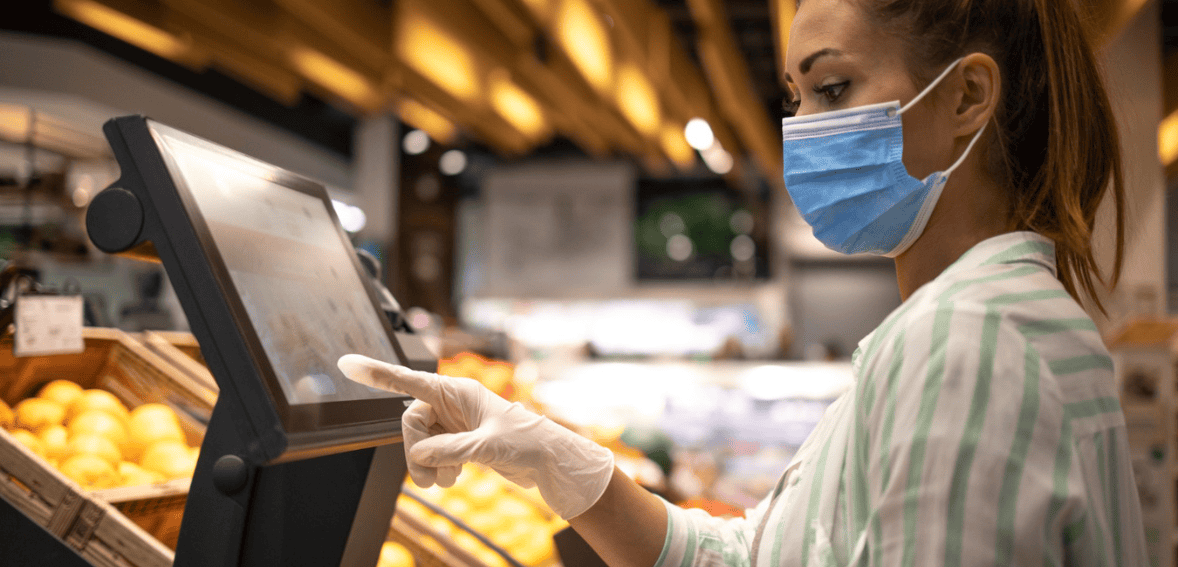
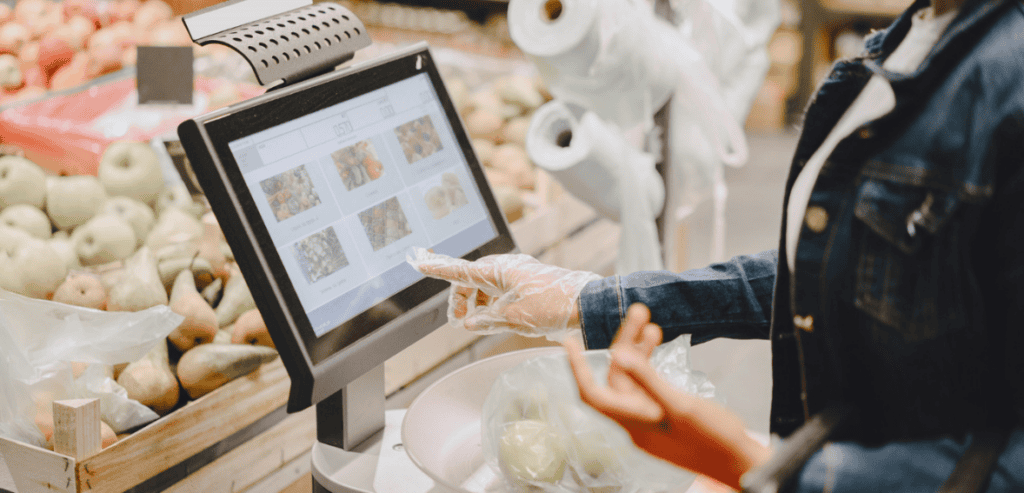
Self-checkout machines that are now available enable the buyer to check out, confirm his purchases, pay for them, and even get his receipt by himself through an easy-to-use touch screen interface.
The self-checkout machines have features of checking barcodes, choosing products, weighing, various payment options, membership program, and promotions.
Despite the fact that the buyer is responsible for completing the transaction, employees are there to help whenever needed. Employees are there to check whether a buyer can buy age-restricted products, answer any possible questions, and help in any possible cases.
Improving Customer Convenience
In modern days, convenience has been one of the main features of success in retail business. Shoppers often go into stores to buy several products and welcome the opportunity of making quick purchases without standing behind bigger orders.
By using self-service checkout stations, customers feel the freedom to choose how fast they can scan, pack, and pay for their purchase.
For many retailers who invested in the automated technology of the checkout process, it became evident that more options for the checkouts increased the satisfaction of their clients.
Reducing Queue Times
Long checkout queues remain one of the most common frustrations for retail customers. Even stores with excellent products and competitive prices may lose customer satisfaction if checkout delays become frequent.
Self-checkout terminals increase overall transaction capacity by allowing several customers to complete purchases simultaneously. Staff supervising multiple terminals can assist customers quickly without processing every transaction individually.
Retailers throughout Indiana increasingly recognise that smart checkout kiosks help distribute customer traffic more efficiently, particularly during peak trading hours when traditional checkout lanes become heavily used.
Supporting Different Types of Retailers
Self-checkout technology is not just reserved for grocery stores anymore; various types of businesses in the retail industry have been using such systems to enhance their operations.
Pharmacies have used such self-checkout technology for regular items, allowing their employees to attend to prescriptions. Hardware stores have helped their customers purchase smaller quantities of their products. Convenience stores have helped with faster purchases, while department stores have offered more check-out counters during peak times.
The constant evolution of retail automation in Indiana demonstrates how different types of retail stores have integrated technology according to their own requirements.
Modern Payment Options
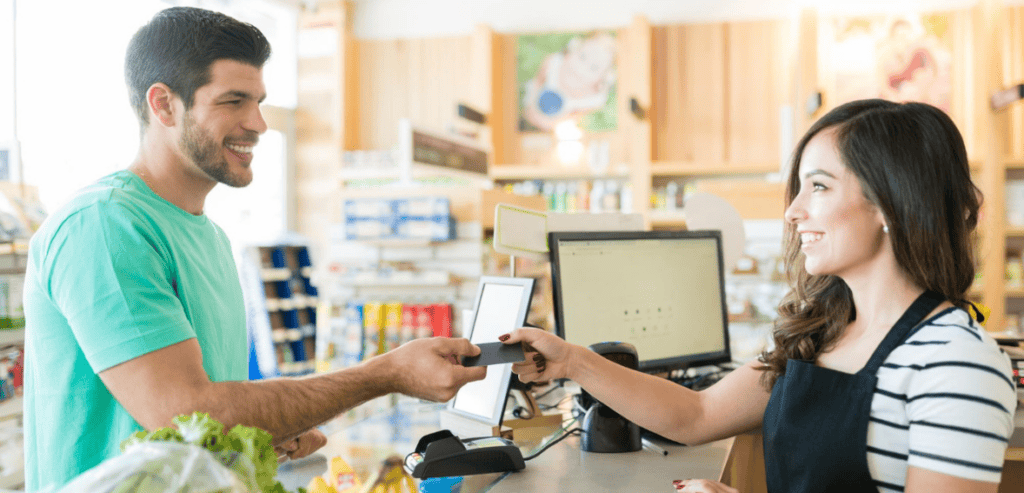
Payment preferences continue changing as customers increasingly adopt contactless cards, mobile wallets, wearable payment devices, and digital gift cards. Retailers need checkout systems capable of supporting these evolving payment methods.
Modern self-checkout terminals integrate multiple payment options into one user-friendly interface. Customers can select whichever payment method they prefer while benefiting from secure transaction processing.
Ongoing retail payment innovation ensures retailers remain prepared for future payment technologies while continuing to meet current customer expectations.
Improving Store Operations
Beyond customer convenience, self-checkout technology also supports broader operational improvements. Employees supervising checkout areas can assist several customers simultaneously while remaining available for merchandising, stock replenishment, and customer enquiries.
Rather than spending entire shifts scanning products, staff increasingly focus on customer service, store presentation, and operational support. This creates greater flexibility within daily retail operations while maintaining high service standards.
Effective automated checkout technology therefore contributes to overall store productivity rather than simply changing how payments are processed.
The Human Role Remains Important
One common misconception is that self-checkout eliminates the need for retail employees. In reality, staff remain an essential part of successful implementation.
Employees welcome customers, answer questions, assist with technical issues, verify restricted purchases, maintain equipment, and ensure checkout areas operate smoothly. Friendly assistance remains particularly valuable for customers using self-checkout technology for the first time.
The most successful self checkout systems combine efficient automation with readily available human support whenever assistance is needed.
Encouraging Customer Adoption
Not every customer immediately feels comfortable using self-checkout technology. Some shoppers enjoy interacting with cashiers, while others may feel uncertain about scanning products independently.
Retailers can encourage adoption by providing clear instructions, visible staff assistance, simple touchscreen interfaces, and patient guidance for first-time users. Positive early experiences often increase customer confidence and willingness to use self-checkout during future visits.
Many smart checkout kiosks now feature intuitive designs that minimise confusion while simplifying the overall transaction process.
Addressing Security and Accuracy
Retailers must balance convenience with appropriate security measures. Self-checkout systems include technologies designed to reduce accidental errors and discourage intentional misuse.
Weight verification, barcode validation, security cameras, transaction monitoring, receipt verification, and staff supervision all contribute to accurate transaction processing while protecting business assets.
Advances in automated checkout technology continue improving accuracy without unnecessarily interrupting legitimate customer transactions.
Accessibility Matters
Retail technology should remain accessible to customers with different abilities, ages, and levels of technological experience. Well-designed systems accommodate a wide variety of users through clear displays, adjustable interfaces, audio guidance, and simple navigation.
Retailers should also ensure staff remain available to assist customers whenever required rather than assuming every shopper prefers complete independence.
Inclusive design strengthens retail automation Indiana by ensuring technological improvements benefit the widest possible range of customers.
Better Business Insights
Modern checkout technology generates valuable information that supports operational decision-making. Retailers can analyse transaction times, customer traffic, payment preferences, equipment usage, and peak shopping periods to improve store performance.
These insights help management allocate staff more effectively, evaluate promotional campaigns, optimise store layouts, and identify opportunities for operational improvements.
Data generated through self checkout systems therefore contributes to smarter retail management beyond simple payment processing.
Supporting Retail Growth
As retailers expand into additional locations, maintaining consistent checkout experiences becomes increasingly important. Customers expect similar payment options and service quality regardless of which branch they visit.
Self-checkout technology provides scalable solutions that can be deployed across multiple locations while maintaining consistent operational standards. Standardised systems also simplify employee training and technical support.
Continued investment in retail payment innovation helps growing retailers build operational consistency alongside customer convenience.
Future Trends in Retail Automation
Retail technology continues evolving rapidly. AI, computer vision, mobile scanning, cashierless stores, and advanced analytics are gradually expanding the possibilities available to retailers.
Future developments may include more personalised shopping experiences, improved fraud prevention, enhanced inventory visibility, and even faster transaction processing. Many of these innovations build upon the foundations already established by self-checkout technology.
The ongoing growth of retail automation Indiana suggests businesses will continue exploring technologies that improve both customer experiences and operational efficiency.
Challenges Retailers Should Consider
Although self-checkout offers many advantages, successful implementation requires thoughtful planning. Equipment investment, employee training, customer education, technical maintenance, and operational monitoring all contribute to long-term success.
Retailers should carefully evaluate store size, customer demographics, transaction volume, available staff, and business objectives before selecting appropriate checkout solutions. Technology should support existing operations rather than creating unnecessary complexity.
Well-planned smart checkout kiosks deliver the greatest value when integrated into broader customer service strategies rather than operating as isolated technology projects.
Balancing Innovation with Customer Service
Technology should enhance the shopping experience rather than replace meaningful customer interactions. Many customers continue valuing friendly conversations, product recommendations, and personalised assistance from knowledgeable employees.
Retailers that combine efficient self-checkout with excellent customer service often achieve the strongest results. Customers appreciate having choices while knowing assistance remains available whenever necessary.
Thoughtful retail payment innovation therefore balances technological efficiency with the personal service that continues defining successful retail businesses.
Preparing for the Future of Retail
Consumer expectations will continue evolving as technology advances. Businesses that remain flexible and open to innovation will be better positioned to respond to changing shopping habits and payment preferences.
Self-checkout technology represents one important step within a much broader retail transformation. As digital commerce, mobile payments, AI, and connected store technologies continue developing, retailers will require adaptable systems capable of supporting future growth.
Modern automated checkout technology provides a strong operational foundation while allowing businesses to evolve alongside changing customer expectations.
Conclusion
Self-checkout technology has become an increasingly important part of retail across Indiana by helping businesses deliver faster, more convenient shopping experiences while improving operational flexibility. Customers benefit from shorter queues, multiple payment options, and greater control over their checkout experience, while retailers gain valuable operational efficiencies and stronger business insights.
Modern self checkout systems, supported by reliable automated checkout technology, continued investment in retail automation Indiana, innovative smart checkout kiosks, and ongoing retail payment innovation, are reshaping how retailers serve their communities. While technology will continue evolving, its greatest value will always come from supporting better customer experiences alongside knowledgeable employees who remain central to successful retail operations. Businesses that combine innovation with excellent service will be well positioned to meet the changing expectations of shoppers across Indiana for years to come.