By Ken Bianchi August 6, 2026
Retail businesses across Indiana are experiencing rapid changes in the way they serve customers, manage inventory, and process transactions. Consumer expectations have evolved significantly over the past decade. Shoppers now expect faster checkouts, flexible payment options, accurate inventory information, and a seamless shopping experience whether they visit a physical store or browse online. Meeting these expectations requires more than traditional cash registers or standalone billing software. Retailers need systems that keep every aspect of the business connected and accessible.
This is where cloud POS Indiana systems have come in handy. Unlike other systems that have one computer locally storing the information, cloud POS Indiana systems safely handle the sales, inventory, customers’ information, and reporting processes online. The business owner gets access to crucial information from virtually any place while the employee handles real-time information that stays the same at multiple stores. With such flexibility, the way of doing business for retailers has been changed, be it boutique, grocery store, convenience store, pharmacy, hardware store, or specialty retailer.
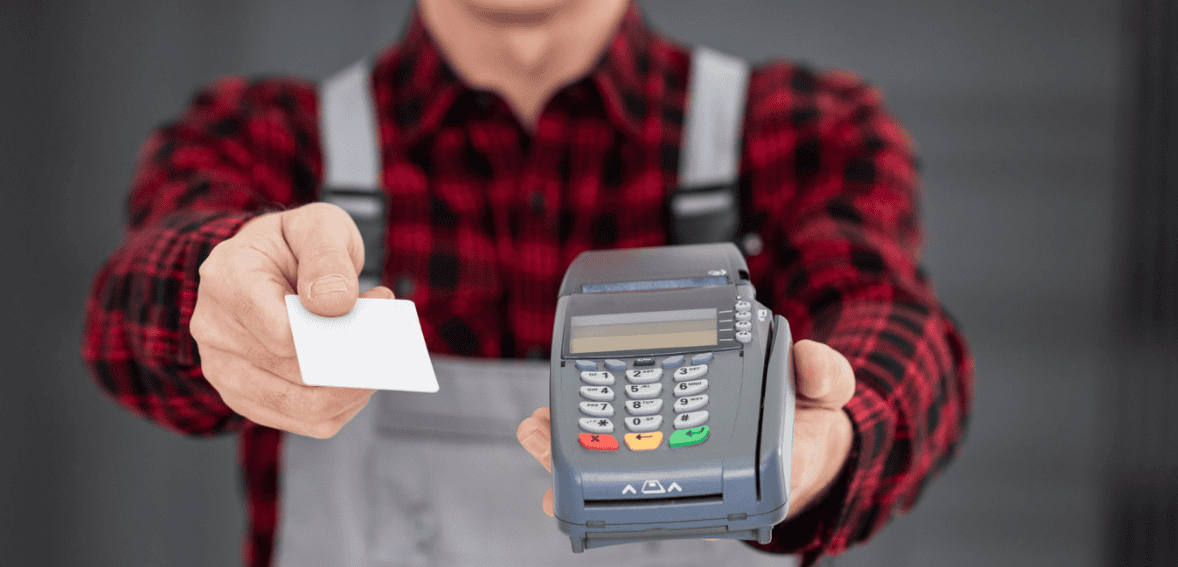
The modern cloud payment systems make it easy to process various payment methods safely and fast. When added to the advanced retail technology platform, the business gains better insights into the operations, customers’ behavior, and inventory movements. As checkout systems evolve, retailers become able to optimize the processes of running the store and create better experiences for their customers. Meanwhile, the digital retail management system allows owners to take control over their business thanks to automation, analysis, and centralized management.
Understanding Cloud-Based POS Systems
A cloud-based POS system is a retail solution that stores operational data securely online rather than on a local server or individual computer. Every sale, inventory update, customer purchase, employee activity, and report is synchronized through secure cloud infrastructure, making information available whenever it is needed.
Unlike older POS systems that often required manual backups and software installations, cloud solutions receive automatic updates without interrupting business operations. Retailers no longer need extensive on-site hardware or expensive maintenance. As long as there is internet connectivity, staff can process transactions while managers monitor store performance from virtually any location.
For Indiana retailers operating multiple branches or planning future expansion, centralized access becomes particularly valuable. Store owners no longer have to visit every location to gather reports or update pricing. Everything can be managed through a single interface that keeps information synchronized across the business. This accessibility helps improve decision-making while reducing administrative work.
Why Indiana Retailers Are Moving Toward Cloud Solutions
Indiana boasts a wide variety of retails, which include family-owned enterprises, chain stores that operate in a particular region, agricultural retailers, convenience stores, fashion boutiques, home improvement retailers, drugstores, and niche merchants. Although the types of retail businesses are different, most retailers face common business issues.
Stocks should be accurate. Consumers’ requirements keep rising. Lack of personnel requires efficiency. National competitors and online shopping need quick delivery and smart decision making.
Conventional systems may fail to offer flexibility needed in modern conditions. Cloud solutions enable retailers to react to changes in business processes more quickly. Managers can change prices, control inventory levels, follow promotions, and study sales reports regardless of where they are.
Increasing popularity of cloud POS Indiana systems is related to the overall tendency of embracing technologies that allow running a business efficiently but with minimal operational difficulty. Retailers find it easy and convenient to run their businesses with less technical problems.
Real-Time Inventory Management Improves Accuracy
Inventory precision continues to be one of the largest concerns for retailers. Just a small deviation from accuracy may cause losses in sales, customer dissatisfaction, extra stocks or unnecessary purchasing.
Cloud-based systems automatically update the inventory after every transaction. When the items are being sold or returned or moved from one place to another, the count of the items will always be up-to-date throughout the organization. There will no longer be any need for manual stock updates that often become sources of error through using out-of-date spreadsheets.
The other benefit of inventory visibility in real-time is the possibility to re-stock the products before their shortage. Retailers may monitor the changing seasonality, promotions or buying preferences of the customers.
Most of the modern retail technologies combine purchasing and supplier management with inventory management into one system. This makes the workflow more automated and less prone to mistakes. With inventory precision, it is easier to forecast the demand and purchase the needed products on time.
Better Customer Experiences Through Faster Checkout
Customers increasingly value convenience. Long checkout lines, slow payment processing, and pricing errors can negatively affect the shopping experience and discourage repeat visits.
Modern connected checkout systems help reduce these frustrations by streamlining every stage of the transaction. Products scan quickly, pricing updates automatically, promotions apply correctly, and receipts are generated instantly. Staff spend less time resolving technical issues and more time assisting customers.
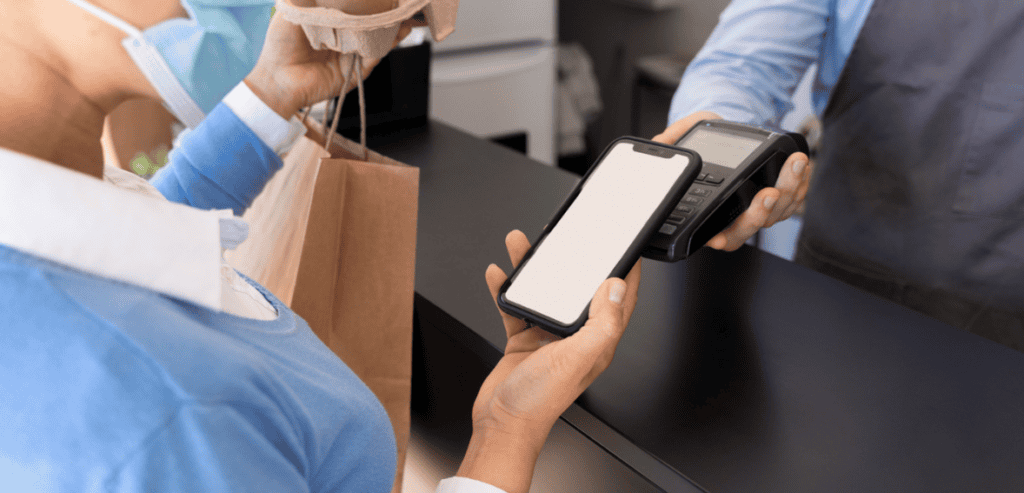
Cloud-based systems also support multiple payment methods, including contactless payments, mobile wallets, debit cards, credit cards, and gift cards. This flexibility allows retailers to accommodate changing consumer preferences while keeping transactions efficient.
The overall shopping experience becomes more enjoyable when checkout is smooth and reliable. Faster service not only improves customer satisfaction but also allows employees to serve more shoppers during busy periods without sacrificing quality.
Flexible Payment Processing Supports Modern Consumers
Consumer payment preferences continue evolving. Cash remains important for many shoppers, but digital payment methods have become increasingly common across Indiana’s retail sector.
Reliable cloud payment systems allow retailers to process various payment types through a single integrated platform. Whether customers choose cards, digital wallets, tap-to-pay options, or other electronic payment methods, transactions remain secure and consistent.
Cloud-based payment processing also improves reconciliation by automatically recording transaction details within the POS system. Business owners spend less time matching payment records with sales reports because the information is already connected.
Security is another significant advantage. Reputable cloud providers regularly update their software to address changing security requirements, reducing risks associated with outdated payment technology while helping retailers maintain compliance with industry standards.
Managing Multiple Store Locations Becomes Easier
Many Indiana retailers eventually expand beyond a single location. While growth creates new opportunities, it also introduces additional management challenges.
Without centralized systems, each store may maintain separate inventory records, pricing structures, employee schedules, and sales reports. This fragmentation increases administrative work while reducing operational visibility.
Cloud-based systems simplify multi-location management by connecting every branch through one centralized platform. Product pricing can be updated simultaneously across all stores. Inventory transfers become easier to monitor. Sales performance comparisons are available instantly.
Managers can identify which locations perform well, which products sell fastest, and where additional support may be required. Centralized reporting helps leadership make informed decisions without waiting for individual stores to submit manual reports.
This unified approach represents one of the biggest reasons businesses continue investing in digital retail management solutions that support long-term expansion.
Better Business Decisions Through Data Analytics
Retail generates enormous amounts of information every day. Every sale, return, customer purchase, inventory movement, and employee transaction creates valuable data that can improve future decision-making.
Cloud POS systems organize this information into meaningful reports that help retailers understand business performance more clearly. Managers can monitor hourly sales trends, identify best-selling products, evaluate promotional effectiveness, and analyse seasonal demand.
Rather than relying on assumptions, business owners gain access to measurable insights that support smarter operational decisions. This data-driven approach improves purchasing, staffing, pricing, and marketing strategies over time.
Many retail technology platforms include customizable dashboards that allow businesses to focus on the metrics most relevant to their operations. Easy access to reliable information helps retailers respond more quickly to changing customer behaviour while supporting sustainable growth.
Supporting Omnichannel Retail Operations
Modern consumers often combine online and in-store shopping during the same purchasing journey. A customer may browse products online before visiting a physical store or purchase online for local pickup.
Cloud-based POS systems help retailers connect these experiences by maintaining consistent inventory, pricing, and customer information across multiple sales channels.
When online orders automatically update store inventory, businesses reduce the risk of overselling products. Customers receive more accurate availability information while employees fulfil orders more efficiently.
Integrated operations also improve customer confidence because pricing, promotions, loyalty rewards, and purchase histories remain consistent regardless of where purchases occur. As retail continues evolving, businesses increasingly depend on connected checkout systems that support both physical and digital shopping experiences.
Improving Employee Productivity
Employees perform better when technology supports rather than complicates their daily responsibilities. Cloud-based POS systems typically feature intuitive interfaces that reduce training time and simplify routine tasks.
Cashiers can process sales more efficiently, supervisors can approve transactions quickly, and managers can access reports without navigating complicated software. Automated inventory updates reduce manual data entry while integrated pricing minimizes checkout errors.
Cloud systems also allow management to monitor employee performance through sales reports, transaction histories, and productivity metrics. This information helps identify training opportunities while recognizing high-performing staff members.
As businesses adopt more comprehensive digital retail management strategies, employees spend less time dealing with administrative work and more time providing quality customer service that strengthens long-term customer relationships.
Business Continuity and Data Security
Unexpected disruptions can affect any retail business. Hardware failures, power interruptions, or damaged local computers may result in lost information if data exists only on individual devices.
Cloud-based systems reduce this risk by storing information securely through professional cloud infrastructure with automated backups. Even if one device experiences technical problems, business information remains protected and accessible from another authorized device.
Regular software updates further improve reliability by addressing security vulnerabilities and maintaining compatibility with changing technologies. Retailers no longer need to manage complicated manual updates or worry about outdated software creating operational risks.
This combination of secure storage, automatic backups, and continuous system improvements provides greater confidence for retailers seeking dependable long-term technology solutions.
Cost Efficiency for Growing Businesses
Although technology investments require careful planning, cloud-based POS systems often reduce long-term operational costs compared to traditional infrastructure.
Businesses typically avoid purchasing expensive servers, maintaining complex local networks, or hiring specialized technicians for software updates. Subscription pricing also allows retailers to budget more predictably while scaling services according to business needs.
Because updates occur automatically, businesses benefit from ongoing feature improvements without purchasing entirely new software versions every few years.
Operational savings also result from improved inventory accuracy, reduced manual work, faster reporting, and fewer transaction errors. While every retailer’s situation differs, many organizations find that improved efficiency generates measurable returns over time.
For businesses evaluating cloud POS Indiana solutions, long-term operational flexibility often becomes just as valuable as initial cost savings.
Scalability Supports Future Growth
Retail businesses rarely remain static. Product lines expand, customer expectations evolve, new locations open, and sales channels diversify over time.
Cloud-based systems provide flexibility that supports these changes without requiring complete technology replacements. Additional registers, employees, locations, or product categories can usually be added through existing platforms with minimal disruption.
This scalability allows businesses to grow gradually while maintaining consistent operational processes. Rather than rebuilding infrastructure every few years, retailers simply expand the capabilities of their existing cloud environment.
Many cloud payment systems also accommodate increasing transaction volumes without requiring businesses to invest heavily in new hardware. This adaptability makes cloud solutions particularly attractive for retailers planning steady long-term expansion.
Integration With Other Business Systems
Modern retail operations involve much more than processing sales. Businesses also manage accounting, payroll, marketing, customer loyalty, purchasing, supplier relationships, and e-commerce activities.
Cloud-based POS systems often integrate with these business functions, creating smoother workflows and reducing duplicate data entry. Sales information can flow directly into accounting software, while customer purchases contribute to loyalty programmes and marketing campaigns.
Integrated operations reduce administrative effort while improving data accuracy across the organization. Instead of updating multiple systems separately, businesses maintain consistent information through automated synchronization.
These integrated retail technology platforms help retailers operate more efficiently while providing a more connected experience for both employees and customers.
Preparing for the Future of Retail
Retail technology continues evolving as consumer expectations change. AI, predictive analytics, automation, mobile commerce, and personalized shopping experiences are becoming increasingly common across the industry.
Cloud-based systems provide a strong technological foundation that allows retailers to adopt new capabilities more easily. Because software updates occur continuously, businesses gain access to new features without replacing their entire infrastructure.
As customer expectations continue rising, retailers that rely on flexible technology will likely adapt more successfully than those using outdated systems with limited functionality.
The continued growth of connected checkout systems demonstrates how retailers are investing in technology that improves efficiency while supporting better customer experiences. Combined with stronger digital retail management, cloud solutions position businesses to respond confidently to future industry developments.
Conclusion
Retail success today depends on far more than processing sales quickly. Businesses must manage inventory accurately, support multiple payment methods, understand customer behaviour, maintain operational visibility, and respond quickly to changing market conditions. Cloud-based POS systems help retailers accomplish these goals through centralized, secure, and flexible technology that supports both daily operations and future growth.
From improving inventory accuracy and streamlining checkout to supporting multiple locations and providing valuable business insights, cloud solutions continue transforming how retailers operate across Indiana. The advantages extend beyond convenience by helping businesses improve efficiency, strengthen customer service, and make more informed decisions based on real-time information.
As more retailers embrace cloud POS Indiana solutions, the importance of reliable cloud payment systems, advanced retail technology platforms, efficient connected checkout systems, and comprehensive digital retail management will continue growing. Businesses that invest in these modern technologies are better positioned to meet evolving customer expectations while building resilient operations capable of supporting long-term success in an increasingly competitive retail environment.