By Ken Bianchi June 5, 2026
Running a restaurant today involves far more than serving good food. Restaurant owners across Indiana are managing customer expectations, staffing challenges, rising operational costs, online orders, delivery integrations, and fast-moving payment preferences all at the same time. In this environment, the checkout experience has become one of the most important parts of restaurant operations. Customers expect payments to be quick, secure, flexible, and convenient whether they are dining in, ordering takeaway, or paying at a food truck.
Modern diners rarely carry cash the way they once did. Most customers now prefer tap-to-pay cards, mobile wallets, QR payments, or digital receipts. Because of this shift, restaurant owners are increasingly upgrading to smarter restaurant credit card terminals that can handle much more than simple card swipes. A modern terminal is now expected to support inventory tracking, tip management, online ordering, table-side service, loyalty programs, and customer analytics in one connected system.
For restaurant owners in Indiana, choosing the right payment setup is not simply about processing transactions. It is about improving speed, reducing errors, creating better customer experiences, and helping staff work more efficiently during busy hours. From small cafés in Bloomington to busy restaurants in Indianapolis and family-owned diners across smaller towns, the right payment technology can directly affect daily operations and long-term growth.
Why Payment Technology Matters More Than Ever in Restaurants
The restaurant industry has changed significantly over the last few years. Customers now expect seamless experiences from the moment they walk in until the moment they leave. Long checkout lines, outdated card readers, slow payment approvals, or terminals that frequently disconnect can frustrate customers and affect repeat business. In highly competitive markets, even small inconveniences can influence customer loyalty.
Modern restaurant credit card terminals are designed to remove these pain points. They help restaurants process payments faster while reducing manual work for employees. During peak dining hours, speed becomes critical. Servers and cashiers need systems that allow them to split bills, adjust tips, manage refunds, and close checks quickly without confusion. The right technology helps reduce delays while improving overall customer satisfaction.
Restaurants are also handling multiple revenue streams today. Many businesses are managing dine-in service alongside takeout orders, delivery platforms, curbside pickup, catering, and online orders. Traditional payment systems often struggle to support these growing operational needs. Modern POS for restaurants Indiana businesses are adopting now offer integrated solutions that connect all these channels into one dashboard, helping owners manage operations more effectively.
Security is another major reason restaurants are upgrading payment systems. Payment fraud, chargebacks, and data breaches have become serious concerns for businesses of all sizes. Customers expect their payment information to remain protected, and restaurants need systems that comply with modern security standards. A secure and reliable payment terminal helps build trust while protecting the business from financial risks.
The Importance of Speed and Ease of Use
One of the first things restaurant owners should consider when selecting payment systems is how easy the terminal is to use during daily operations. Restaurants are fast-paced environments where employees cannot afford to spend extra time figuring out complicated systems. A payment terminal should feel intuitive for both experienced staff and new hires.
Convenience takes even greater significance during busy weekend days, rush hours for lunches, and holidays when there is a great need for fast and smooth movement of staff members between tables, work in the kitchen, and customer services. The use of an inconvenient terminal for payments can create significant barriers for all processes taking place in the restaurant. New generation restaurant credit card terminals feature intuitive touch screens, fast navigations, and custom designs making day-to-day operations much easier.
The speed of the payment process plays a decisive role in ensuring customer satisfaction with services provided. People are not ready to wait for their payment cards’ approval or receipt printing for a minute or two. Faster processing allows increasing efficiency while dealing with table turnover, which in its turn can positively influence restaurant income. Indiana restaurant checkout systems that support new tap-and-pay technologies usually allow completing transactions faster than previous generations.
It is worth noting that some managers underestimate the impact of technological convenience on employee productivity. An easy-to-use terminal decreases the time needed for training and eliminates any mistakes while processing payments. Employees can spend more time focusing on customer service rather than payment issues.
Why Handheld Payment Devices Are Becoming Essential
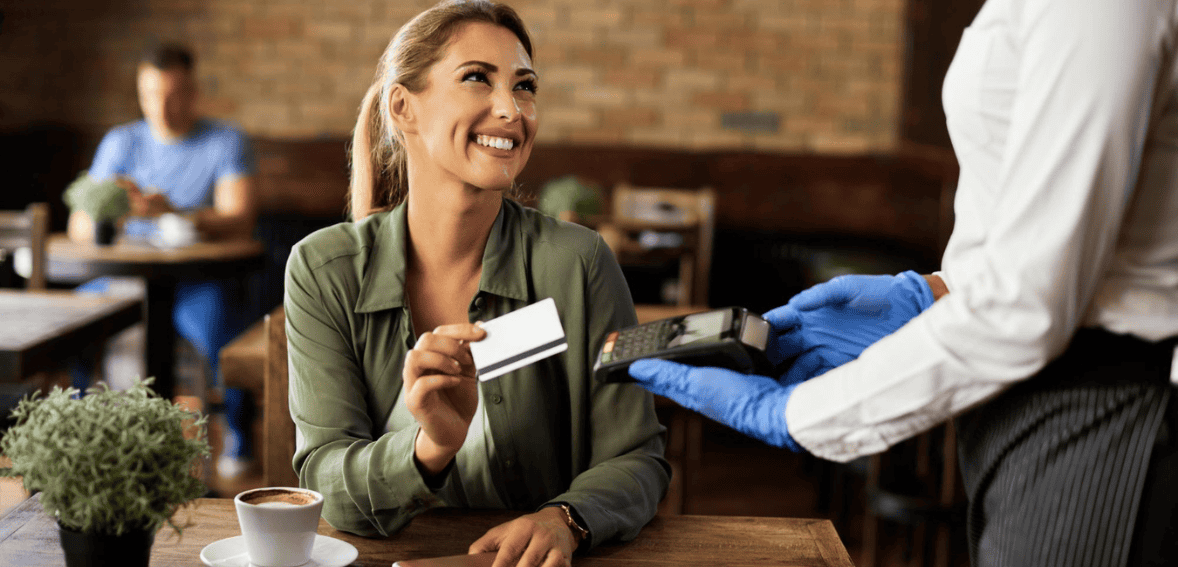
The rise of handheld payment devices has transformed the restaurant payment experience in recent years. Customers increasingly prefer paying directly at the table rather than waiting for their card to be taken away and processed elsewhere. This shift has improved convenience, increased trust, and helped restaurants operate more efficiently.
For full-service restaurants in Indiana, handheld payment devices allow servers to complete transactions tableside within seconds. This eliminates extra trips between tables and fixed payment counters, saving valuable time during busy service periods. Faster payments also help improve table turnover without making guests feel rushed.
This type of payment system is highly beneficial for restaurants that have outdoor seating options, patios, food trucks, breweries, and expansive dining spaces where staff need to roam around and make transactions at any point during the payment process. Convenience and flexibility have become an essential part of restaurant services, and businesses aim at enhancing the experience they offer their customers.
There are security advantages to using this type of transaction system as well. The card will stay with the customer all the time, thus increasing trust. The new generation of terminals allows for secure transactions and even contactless payments, helping restaurants adhere to high payment security standards. Handheld terminals also allow restaurants to benefit from higher tips since it is easier for people to tip when the process feels fast and simple. Many establishments have experienced an increase in tipping once they transitioned to handheld terminals due to the convenience of the process.
Features Indiana Restaurant Owners Should Prioritize
Not all payment terminals are designed specifically for restaurant environments. Some systems work well for retail stores but lack the operational flexibility restaurants require. That is why restaurant owners should carefully evaluate the features included in their payment setup before making a decision.
A good system should support multiple payment methods, including chip cards, tap-to-pay transactions, mobile wallets, and QR code payments. Customer payment habits continue to evolve, and restaurants need systems that can adapt to changing preferences. Modern POS for restaurants Indiana businesses rely on are increasingly expected to provide this level of flexibility.
Menu integration is another valuable feature. Some advanced payment systems connect directly with kitchen operations, helping staff manage orders more accurately. This reduces communication errors between servers and kitchen teams while improving order tracking. Restaurants handling high order volumes often benefit significantly from these integrated systems.
Reporting and analytics tools are also important for business growth. Restaurant owners need access to real-time sales reports, employee performance tracking, peak hour analysis, and customer purchasing trends. Modern payment systems can provide insights that help owners make smarter operational decisions. Instead of relying on guesswork, businesses can use actual sales data to optimize staffing, menu pricing, and inventory planning.
Cloud-based access is becoming another major advantage. Many modern payment systems allow owners to monitor restaurant operations remotely through mobile apps or web dashboards. This flexibility is especially useful for restaurant groups or owners managing multiple locations across Indiana.
How Payment Systems Support Better Customer Experiences
Customers often judge restaurants based on the complete experience rather than food alone. Friendly service, comfortable seating, clean spaces, and smooth payments all contribute to overall satisfaction. In many cases, the final impression a customer has comes during checkout. A frustrating payment experience can negatively affect an otherwise excellent meal.
A modern payment system helps facilitate the process of serving customers, making payments more streamlined and fast. Customers tend to enjoy receiving prompt receipts, the possibility of paying without cash, and easy splitting of the bill between several people. All these factors may positively influence customer loyalty and willingness to write positive reviews online.
Receiving digital receipts is an increasingly popular feature that many customers prefer. Most diners like getting their receipts in the form of emails or text messages. The receipt system not only brings convenience to the payment process but is also an environmentally friendly approach that businesses should follow. A restaurant using such payment technology usually appeals better to young people.
Loyalty programs have gained importance today. Some new-generation restaurant credit card readers are able to integrate directly into the loyalty program, so that clients receive bonus points during each payment process. This feature makes payment more personal and contributes to the increased frequency of repeat visits. Such payment technology would be especially convenient for restaurants that serve younger audiences in colleges, towns and cities throughout Indiana. Today many people expect payment technology to work as smoothly as any other app or service they use daily.
The Role of Integration in Modern Restaurant Operations
One major advantage of advanced POS for restaurants Indiana businesses are adopting is system integration. Restaurants today rely on multiple operational tools including online ordering platforms, reservation systems, inventory software, payroll systems, and customer loyalty programs. When these systems operate separately, employees often waste time transferring information manually.
Integrated payment systems help solve this problem by connecting different operational areas into one centralized platform. Orders placed online can flow directly into kitchen systems. Inventory can update automatically after sales. Sales reports can sync with accounting software. This level of automation helps reduce human error while improving efficiency.
For restaurant owners, integration also simplifies daily management. Instead of switching between multiple applications or spreadsheets, owners can monitor sales, staffing, customer trends, and payments through one connected system. This creates better visibility across business operations.
Integration is especially important for businesses offering delivery and takeaway services. Restaurants handling orders from multiple third-party delivery platforms can benefit from centralized order management systems that reduce confusion during peak periods. Modern Indiana restaurant checkout systems are increasingly designed to support these operational demands.
Security and Compliance Should Never Be Ignored
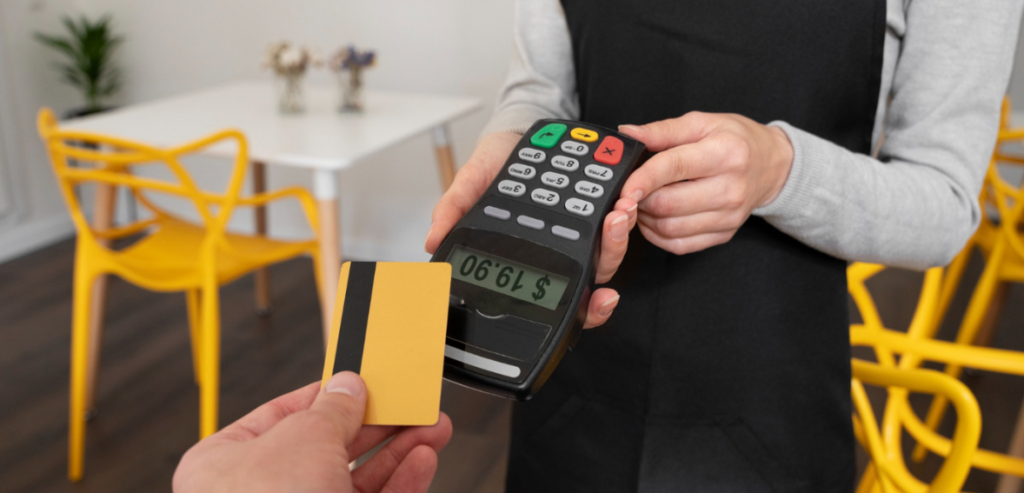
Security is one of the most important factors restaurant owners should evaluate before choosing payment technology. Restaurants process hundreds or even thousands of transactions every week, making them potential targets for payment fraud and cyber threats.
Current credit card terminals must have EMV chip technology and encrypted transactions, as well as other features such as tokenization and PCI compliance. These features make sure that customer data stays safe from any fraudulent activities that could potentially lead to loss of revenue. Any data breach can be detrimental to customers’ trust in the company’s ability to provide adequate protection. Any security threat will affect the reputation of the restaurant as well as its finances. Security investments must be treated as an important part of long-term business protection strategies.
Business owners must also choose solutions that can provide regular updates on the payment terminal’s performance and offer technical support. Cybersecurity measures become outdated very quickly, meaning that it is important to keep track of the latest cybersecurity threats and protect against them through regular updates. One should also pay attention to employee access rights. Current solutions usually provide a way for business owners to set permissions for managers, waiters, and cashiers within the system.
Why Scalability Matters for Growing Restaurants
Many restaurant owners initially choose payment systems based only on current needs. However, businesses often grow faster than expected. A café may expand into multiple locations, add delivery services, or introduce catering operations. Choosing scalable technology from the beginning can prevent expensive system replacements later.
Scalable POS for restaurants Indiana businesses invest in should support future growth without requiring complete operational changes. Restaurants should consider whether the system can handle additional terminals, multiple locations, advanced reporting, and increased transaction volume over time.
Cloud-based systems often provide stronger scalability because updates and expansions can happen more easily. Restaurant owners can add new devices, locations, or integrations without replacing the entire infrastructure. This flexibility becomes especially valuable for businesses planning long-term expansion.
Scalable systems also improve consistency across locations. Restaurant groups can standardize menus, pricing, employee management, and reporting across multiple branches while maintaining centralized control. This simplifies operations while improving customer consistency.
Choosing the Right Provider for Long-Term Success
Technology itself is important, but the payment provider behind the system matters just as much. Restaurant owners should evaluate providers based on reliability, customer service, processing transparency, and restaurant-specific expertise.
Technical issues during business hours can create major disruptions. Restaurants need providers that offer responsive customer support and quick troubleshooting assistance. Reliable support becomes especially important for businesses operating late-night hours, weekends, or high-volume environments.
Pricing transparency is another critical factor. Some providers advertise low rates but include hidden fees for software updates, hardware maintenance, PCI compliance, or transaction processing. Restaurant owners should carefully review all costs before committing to long-term contracts.
Industry experience also matters. Providers familiar with restaurant operations are more likely to understand challenges related to tipping, table management, kitchen communication, and multi-channel ordering. Choosing experienced partners can lead to smoother implementation and better long-term support.
Indiana restaurant checkout systems should ultimately support both operational efficiency and customer satisfaction. Restaurant owners should avoid rushing into decisions based solely on upfront pricing. The long-term value of reliability, security, integration, and customer experience often outweighs short-term savings.
Conclusion
The modern restaurant industry depends heavily on efficient technology, and payment systems now play a central role in daily operations. From improving customer experiences to streamlining staff workflows, the right payment setup can significantly affect a restaurant’s success. Indiana restaurant owners are increasingly recognizing that outdated terminals no longer meet the demands of today’s dining environment.
Modern restaurant credit card terminals offer much more than basic payment processing. They support contactless transactions, integrated reporting, online ordering, loyalty programs, and advanced security features that help restaurants operate more efficiently. Whether managing a small café, a busy family restaurant, or a growing multi-location business, choosing the right payment technology has become an essential business decision.
Features like handheld payment devices, cloud-based reporting, system integration, and fast transaction processing are helping restaurants deliver smoother experiences for both customers and employees. At the same time, secure and scalable POS for restaurants Indiana businesses rely on are helping owners prepare for future growth while protecting sensitive payment data.
As customer expectations continue to evolve, restaurants that invest in modern payment systems for cafes and dining establishments will likely be better positioned to compete in an increasingly digital marketplace. A smooth and reliable Indiana restaurant checkout experience is no longer just a convenience. It has become a critical part of building customer trust, improving operational efficiency, and supporting long-term restaurant success.