
By Ken Bianchi August 11, 2026
The restaurant and café industry has changed significantly over the past decade. Customers today expect more than delicious food and friendly service. They also want speed, convenience, and a smooth payment experience from the moment they place an order until they leave the establishment. Whether it is a busy breakfast café in Indianapolis, a family restaurant in Fort Wayne, or a popular lunch spot in Bloomington, reducing waiting times has become one of the biggest priorities for hospitality businesses across Indiana.
The time spent queuing for payment or waiting for your bill to be settled is as important an aspect of your customer experience as any delay in preparing the food. During breakfast, lunch, and dinner peak times, even the slightest delays in paying for the meals can negatively impact the restaurant’s table turnarounds and put more stress on both customers and employees. Therefore, many establishments now seek out new technologies that would help automate the process and not compromise the service.
Modern Restaurant POS systems are much more than simple card terminals. Current systems include order management, inventory management, digital payments, customer loyalty program management, and other useful tools. This gives an opportunity to boost efficiency and provide better experience for both customers and staff members. Restaurant POS systems used in Indiana restaurants, as well as cloud based or mobile payment solutions, are examples of the mentioned technological advancements.
The Growing Demand for Faster Restaurant Service
The expectations of the consumer have altered considerably. In virtually every area of their lives today, consumers have learned to expect fast access via digital means to whatever it is that they are looking for. This expectation extends to dining out as well.
It is important to note that restaurant patrons enjoy receiving good service at the restaurant, but at the same time, speed is valued. After the meal is served, the majority of patrons wish to pay quickly and avoid the lengthy wait before the waiter brings the bill, processes the payment, and returns with the receipt. Even small amounts of time spent on processing payment can affect the satisfaction of the patrons, especially in cases when servers have to work with many tables at once. Indiana restaurants have realised that faster payments benefit not only the patron, but also the business.
Why Checkout Speed Matters
Checkout process is the last phase of the consumer experience process. Although consumers may have enjoyed an excellent experience concerning the quality of food served and the services offered, any delay in payment can result in consumers having a less favorable experience of their visit.
Payment delays in restaurants also limit table turnover. Each extra minute taken while making payment means less time taken for seating other customers at those times. In a restaurant located in areas of high demand, this may have a direct impact on the bottom line.
Modern hospitality payment systems offer solutions to this problem through making the payment process efficient and minimizing manual effort involved in this process.
Modern POS Systems Do More Than Process Payments
The main purpose of the old cash registers was to keep records of sales only. Modern restaurant POS systems act like business management tools covering almost all activities related to running restaurants.
Modern restaurant POS systems chosen by businesses in Indiana usually integrate payment processing, ordering, inventory management, employee scheduling, reporting for customers, and kitchen communication into one software. In this way, businesses do not have to use different platforms for their needs and increase their productivity.
Since the ordering, paying, and updating of the inventory happen automatically using one system, employees have more time to attend to customers.
Faster Order Processing Improves Customer Flow
The process starts much earlier than the time when customers ask for the bill to be presented. The use of advanced POS systems enables servers to put down the order directly in handheld devices or touch screen devices, which send order details directly to the kitchen.
This way, there is no time lost because of hand written order slips or the need to repeat the order between servers and kitchen staff. Order details reach preparation stations in less time and help reduce waiting time at all stages.
Tableside Payments Eliminate Unnecessary Delays
One of the most noticeable improvements in restaurant payment technology is the growing use of tableside payment devices. Instead of collecting payment cards and walking back and forth between the dining area and payment terminal, servers can complete transactions directly at the customer’s table.
Customers appreciate remaining in possession of their payment cards throughout the transaction, providing additional confidence in payment security. The payment process becomes faster because there is no need to transport receipts or wait for payment terminals to become available.
Tableside payments also allow guests to review bills, add gratuities, and complete transactions independently, reducing waiting times while improving convenience.
Contactless Payments Speed Up Checkout
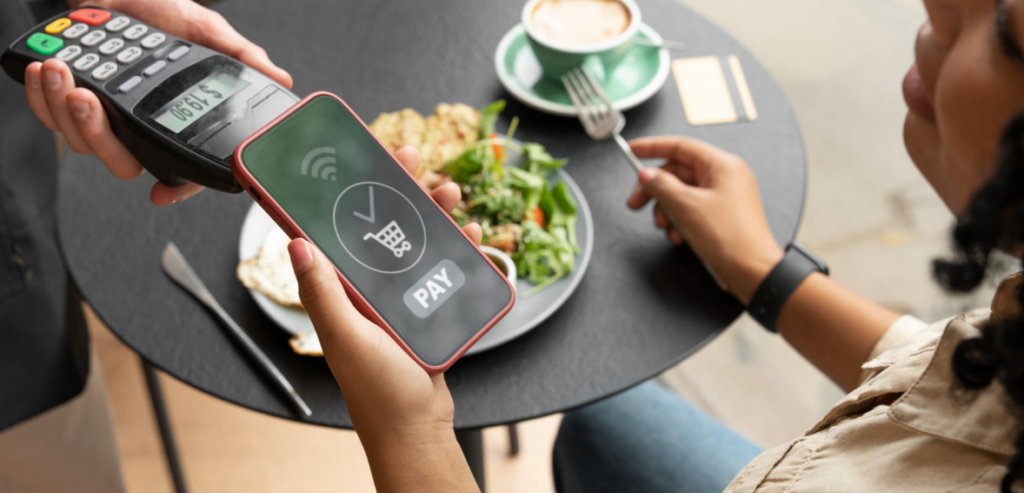
Contactless payment technology has become increasingly popular among customers seeking quicker and more hygienic payment experiences. Whether using contactless bank cards, smartphones, or digital wallets, customers can complete payments within seconds.
Modern fast payment terminals support contactless transactions alongside traditional chip and magnetic stripe cards. This flexibility allows restaurants to accommodate varying customer preferences without slowing the checkout process.
During busy meal periods, even small reductions in transaction time contribute to shorter queues and improved operational efficiency. Faster payments also reduce congestion around checkout counters in cafés and quick-service restaurants.
Supporting Mobile Ordering and Digital Payments
Many Indiana restaurants now offer mobile ordering through their own applications or third-party delivery platforms. Customers increasingly expect consistent payment experiences whether dining in, collecting takeaway orders, or requesting home delivery.
Modern checkout technology integrates these payment channels into one central management system. Staff can monitor orders from multiple sources while maintaining accurate inventory and payment records.
Unified payment management simplifies daily operations while ensuring every transaction is processed consistently regardless of how customers choose to order their meals.
Better Communication Between Front and Back of House
Efficient restaurant service depends heavily on communication between dining staff and kitchen teams. Delays often occur when information must be transferred manually or corrected after misunderstandings.
Integrated restaurant POS systems Indiana restaurants use allow kitchen staff to receive digital orders immediately after servers enter them. Updates, modifications, and special dietary requests appear automatically without requiring additional conversations.
Improved communication reduces preparation errors, shortens waiting times, and allows kitchen staff to prioritise orders more effectively during busy service periods.
Inventory Management Supports Faster Operations
Inventory management may seem unrelated to customer service, but it directly influences operational efficiency. Running out of menu items during peak periods creates delays while staff explain unavailable options and modify customer orders.
Modern checkout systems automatically update inventory levels after every sale. Managers receive real-time information about stock availability, helping them replenish ingredients before shortages occur.
Integrated inventory tools also identify popular menu items, seasonal trends, and purchasing patterns, allowing restaurants to prepare more effectively for busy trading periods.
Simplifying Staff Training
Employee turnover remains a challenge throughout the hospitality industry. Restaurants frequently train new servers, cashiers, and managers while maintaining high service standards.
Modern checkout systems feature intuitive interfaces that reduce learning curves for new employees. Simple touch-screen menus, guided payment workflows, and automated calculations minimise opportunities for errors.
Because staff become productive more quickly, restaurants maintain efficient service levels even when onboarding new team members during busy seasons.
Supporting Customer Loyalty Programmes
Customer loyalty programmes encourage repeat visits while providing valuable insights into purchasing behaviour. Many modern payment systems include integrated loyalty management features that automatically recognise returning customers.
Rather than requiring separate loyalty software, today’s hospitality payment systems combine rewards, promotions, gift cards, and customer profiles within the checkout process. This simplifies programme management while creating smoother customer experiences.
Customers appreciate receiving rewards without additional steps, and businesses benefit from stronger customer retention and more detailed purchasing data.
Cloud-Based Technology Improves Flexibility
Cloud-based POS platforms have become increasingly popular among restaurants because they provide greater flexibility than traditional locally installed systems. Managers can access sales reports, monitor performance, adjust menus, and review inventory from virtually any location.
Cloud technology also simplifies software updates because providers deliver new features automatically without requiring extensive on-site maintenance. Restaurants remain current with evolving payment technologies while reducing technical support requirements.
Businesses operating multiple Indiana locations particularly benefit from centralised management capabilities that standardise operations across every restaurant.
Payment Security Builds Customer Confidence
Customers expect payment information to remain protected whenever they dine out. Restaurants therefore require payment systems that combine convenience with strong security measures.
Modern fast payment terminals support encrypted payment processing, secure authentication, tokenization, and compliance with industry security standards. These protections help reduce fraud risks while safeguarding customer information.
Strong payment security also protects business reputation. Customers are more likely to return to restaurants that demonstrate responsible handling of financial information.
Real-Time Reporting Helps Managers Make Better Decisions
Restaurant managers rely on accurate business information to improve operations and control costs. Modern checkout systems generate real-time reports covering sales performance, payment methods, menu popularity, employee productivity, and customer traffic.
These reports allow managers to identify busy periods, optimise staffing schedules, adjust menu offerings, and improve inventory planning. Better decision-making contributes directly to smoother operations and improved customer service.
Data-driven management also helps businesses identify opportunities for increased efficiency without compromising food quality or hospitality standards.
Improving Efficiency During Peak Hours
Breakfast cafés, lunch restaurants, and evening dining establishments all experience predictable rush periods when customer demand increases dramatically. During these busy times, operational efficiency becomes especially important.
Technology helps restaurants manage higher customer volumes without proportionally increasing staffing levels. Faster ordering, quicker payment processing, automatic inventory updates, and streamlined communication reduce bottlenecks throughout service.
The combination of tableside payment devices, integrated ordering systems, and efficient payment terminals allows staff to serve more customers while maintaining consistent service quality even during the busiest hours.
Supporting Multi-Location Restaurant Operations
Many restaurant groups operate multiple locations throughout Indiana. Maintaining consistent payment experiences, reporting standards, pricing, and menu management across every location requires centralised technology.
Cloud-based restaurant POS systems Indiana operators increasingly adopt allow head office teams to manage menus, promotions, pricing, and reporting from one central platform. Individual restaurants continue serving customers locally while benefiting from consistent operational standards.
This standardisation simplifies staff transfers between locations, improves financial reporting, and supports more efficient business management.
Preparing for Future Hospitality Trends
Restaurant technology continues evolving alongside changing consumer expectations. Self-service ordering, QR code menus, mobile wallets, AI, and personalised customer experiences are becoming increasingly common throughout the hospitality industry.
Businesses investing in flexible checkout technology today are better prepared to adopt future innovations without replacing their entire payment infrastructure. Scalable systems allow restaurants to introduce new features gradually while protecting existing technology investments.
Forward-thinking businesses recognise that technology should support hospitality rather than replace it. The goal remains creating more time for genuine customer interaction by reducing administrative tasks.
Choosing the Right Checkout Technology
Selecting the appropriate checkout solution requires careful evaluation of business needs rather than simply comparing hardware specifications. Restaurants should consider payment speed, software integration, reporting capabilities, inventory management, customer support, scalability, and long-term operating costs.
Businesses should also evaluate whether systems support future expansion, online ordering, loyalty programmes, mobile payments, and evolving payment technologies. Reliable technical support remains equally important because payment interruptions directly affect customer service.
Investing in well-designed cafe checkout technology provides long-term operational benefits that extend beyond payment processing. The right solution improves efficiency throughout the entire customer journey.
Conclusion
Modern restaurants and cafés operate in an environment where customers expect excellent food, attentive service, and fast, convenient payment experiences. As hospitality businesses across Indiana continue adapting to changing consumer expectations, advanced checkout technology has become an essential tool for improving efficiency and supporting business growth.
From integrated restaurant POS systems Indiana businesses rely on to tableside payment devices, fast payment terminals, intelligent cafe checkout technology, and comprehensive hospitality payment systems, today’s solutions streamline operations at every stage of the dining experience. Faster ordering, quicker payments, improved inventory management, stronger security, and real-time reporting all contribute to smoother service and greater customer satisfaction.
Ultimately, successful restaurant technology is not about replacing personal service. Instead, it removes unnecessary delays and administrative tasks so employees can focus on delivering memorable dining experiences. By investing in modern checkout solutions, Indiana restaurants and cafés position themselves to meet today’s customer expectations while preparing confidently for the future of hospitality.