By Ken Bianchi June 24, 2026
Retail has changed dramatically over the past decade. Customers today expect convenience, speed, and simplicity during every stage of their shopping journey. Whether they are purchasing groceries, clothing, electronics, household goods, or specialty products, shoppers increasingly value efficiency. While product selection and pricing remain important, the checkout experience often leaves the strongest final impression.
Few things frustrate customers more than waiting in long lines after they have already completed their shopping. Delays at checkout can negatively affect customer satisfaction, influence future purchasing decisions, and even lead to abandoned purchases. As a result, retailers across Indiana are investing in technology designed to make transactions faster, smoother, and more convenient.
Advancements in payment processing, contactless transactions, cloud-based systems, mobile checkout solutions, and intelligent POS platforms have transformed how retailers manage customer interactions. These innovations are helping businesses reduce wait times, improve operational efficiency, and create more enjoyable shopping experiences. For Indiana retailers operating in competitive markets, improving checkout efficiency is no longer simply a technology upgrade. It has become an important part of customer service strategy.
Why Checkout Speed Matters More Than Ever | Fast Checkout Systems
Customers have become accustomed to instant access in nearly every aspect of daily life. Online shopping platforms offer one-click purchasing, food delivery services provide real-time tracking, and mobile applications simplify countless routine tasks. These expectations naturally extend to physical retail environments as well.
When shoppers enter a store, they want the purchasing process to be straightforward. They expect to find products quickly, receive assistance when needed, and complete transactions without unnecessary delays. Long checkout lines can undermine an otherwise positive shopping experience and leave customers with a negative final impression.
Retailers throughout Indiana recognise that checkout speed directly affects customer satisfaction. A faster transaction process helps reduce frustration, especially during peak shopping periods when stores experience higher customer traffic. Efficient checkout systems allow customers to spend less time waiting and more time focusing on their overall shopping experience. As consumer expectations continue to evolve, businesses that prioritise speed and convenience are often better positioned to build customer loyalty and encourage repeat visits.
The Evolution of Retail Checkout Technology
Cash registers were an effective way for retailers to process payments for quite a long time; however, nowadays, there is a need for better solutions. The POS systems now perform many actions in addition to transaction processing. They combine inventory tracking, customer information tracking, rewards programs, analytics, and even payments.
Fast checkout systems have significantly changed the last step in the client journey. Modern systems process transactions faster and provide a variety of payment options while requiring minimal effort from employees. Staff members can be more efficient in making sales, answering clients’ questions, and performing other duties.
Many businesses are moving towards using cloud technology in their operations because it improves the speed and performance of systems. These changes improve the checkout experience while giving room for further innovations in this area.
Understanding Customer Expectations in Indiana Retail
The Indiana retail environment is made up of a variety of organizations, including small family-owned shops, regional companies, and big retailers that are located nationally. Although the customer demographic may differ from one community to another, one thing is certain: customers like convenience.
Urban shoppers usually look for speed because they lead busy lives and lack time. Similarly, in suburban and rural markets, customers prefer speed when making purchases and want their time respected. Unnecessary wait times during checkout will never make for a good experience regardless of location.
The use of electronic payment options has changed customer expectations in many ways. Customers have been found to prefer contactless payments via card or mobile phones. This means that retailers must adopt such forms of payments in order to offer a seamless experience. To make their customers happy when using their payment methods, businesses can adopt modern check-out technology.
How Fast Checkout Systems Reduce Wait Times
The most obvious benefit of fast checkout systems is their ability to reduce transaction times. Faster processing allows retailers to serve more customers within the same period while reducing congestion during busy hours.
Modern systems streamline several aspects of the checkout process. Product scanning is faster, payment authorisation occurs more quickly, and digital integrations reduce manual data entry. Employees spend less time navigating complex interfaces and more time assisting customers.
These efficiencies become especially valuable during peak shopping periods such as weekends, holidays, and seasonal sales events. Rather than allowing long queues to develop, retailers can process transactions more smoothly and maintain a steady flow of customers. Reducing wait times does more than improve operational efficiency. It creates a more positive shopping environment and contributes significantly to overall customer satisfaction.
Improving the Customer Payment Experience
The last stage of a sales process, payment represents one of the key areas in which a business interacts with customers. Quick and effective payment makes a good impression, whereas problems at this stage may cause frustrations and dissatisfaction.
Modern payment systems enable businesses to accept a variety of payment methods, such as credit cards, debit cards, mobile payments, contactless payments, gift cards, and other types of digital money transfer options. Thus, consumers are free to use whichever payment method they like.
Moreover, modern payment solutions allow for fast transaction approvals. Thanks to this technology, transactions are usually confirmed instantly, which ensures a smooth transaction experience for consumers. Businesses that put emphasis on payment convenience will likely establish stronger relations with their customers.
The Role of Contactless Payments
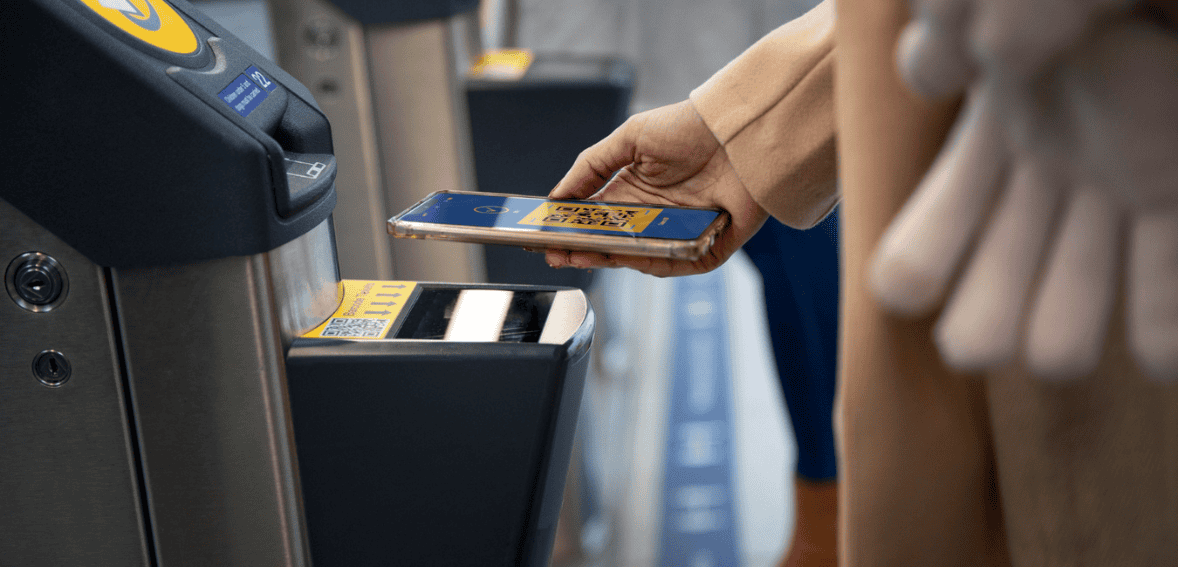
Contactless payment technology has become increasingly popular in recent years. Customers appreciate the speed and convenience of simply tapping a card or mobile device to complete a purchase.
For Indiana retailers, contactless payments offer several advantages. Transactions are typically completed more quickly than traditional chip card payments, reducing processing time and improving throughput during busy periods.
Customers also perceive contactless transactions as simple and modern. Many consumers have integrated mobile wallets and contactless cards into their daily routines and expect retailers to accommodate these preferences. As part of broader modern retail technology initiatives, contactless payment support helps businesses stay aligned with evolving consumer behaviour while enhancing convenience at checkout.
Mobile POS Solutions and Flexible Checkout Experiences
Checkout counters are still relevant; however, many retailers have been experimenting with different ways of managing their transactions. For example, using mobile POS systems allows retailers to complete all transactions regardless of their location inside the shop.
This can be extremely helpful to improve customer experience when shopping is at its peak. Employees can serve customers directly, provide them with any necessary information, and complete their purchases without customers having to stand in line at traditional counters.
Mobile checkout systems are highly useful for specialty retailers, garden centers, DIY shops, as well as for seasonal retailers. The development of technology in the retail industry allows mobile transactions to become even more popular.
Enhancing Employee Productivity Through Better Technology
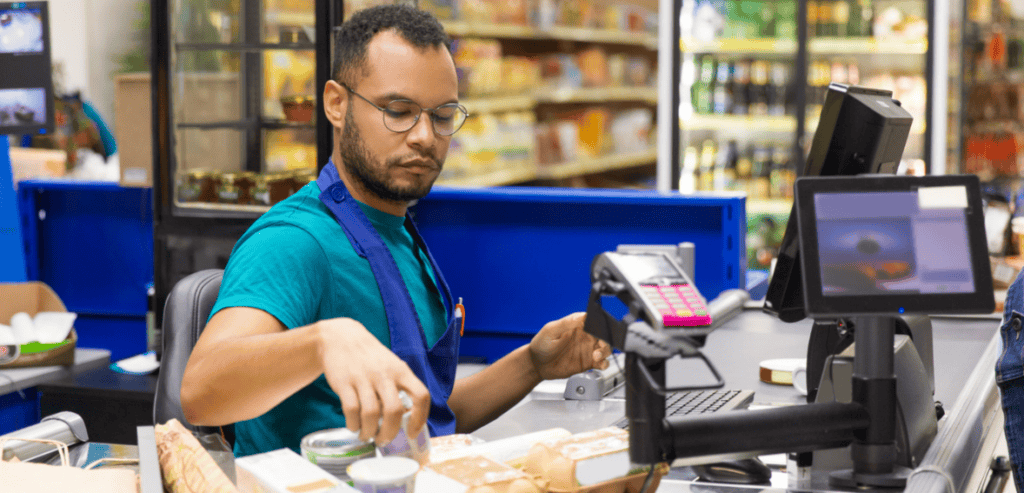
Customer satisfaction is closely connected to employee effectiveness. When staff members have access to reliable and efficient tools, they can provide better service and respond more quickly to customer needs.
Advanced checkout systems simplify many routine tasks. Employees can access product information, verify inventory availability, process returns, and manage transactions from a single interface. This reduces complexity and allows staff to focus on customer interactions rather than system limitations.
Fast checkout systems also reduce stress during high-volume periods. Employees spend less time dealing with technical issues or slow transaction processing and more time helping customers complete purchases efficiently. Improved productivity benefits both retailers and shoppers by creating smoother and more consistent service experiences.
Supporting Multi-Channel Retail Operations
Today’s consumers often move between online and in-store shopping channels. They may research products online before visiting a store or place orders digitally for in-store pickup.
Modern checkout technology helps retailers support these evolving behaviours by integrating various sales channels into a unified system. Customers can enjoy more consistent experiences regardless of how they choose to shop.
Integrated platforms also improve inventory visibility, allowing employees to provide accurate information about product availability. This helps prevent frustration and supports more informed purchasing decisions. For businesses embracing multi-channel strategies, modern retail technology serves as an important bridge between digital and physical shopping experiences.
The Importance of Reliable Payment Terminal Solutions
Checkout speed depends heavily on the performance of payment hardware. Slow or unreliable equipment can create delays even when software systems are functioning properly.
Modern payment terminal solutions are designed to process transactions efficiently while supporting multiple payment methods. They offer improved connectivity, enhanced security features, and faster authorisation capabilities compared to older systems.
Reliable terminals also reduce the likelihood of transaction failures, payment interruptions, and customer frustration. When payment devices function smoothly, checkout processes become more predictable and efficient. Indiana retailers seeking to improve transaction speed often find that upgrading payment terminal solutions delivers immediate improvements in both operational performance and customer satisfaction.
Using Data to Improve Checkout Operations
One advantage of advanced POS platforms is their ability to generate valuable operational insights. Retailers can analyse transaction data to identify peak shopping periods, evaluate checkout performance, and make informed staffing decisions.
Understanding customer traffic patterns allows businesses to allocate resources more effectively. Additional checkout stations can be opened during busy periods, while staffing schedules can be adjusted to align with customer demand.
These insights also help retailers identify bottlenecks that may be affecting transaction speed. By continuously evaluating performance, businesses can refine their checkout processes and improve the overall customer payment experience. Data-driven decision-making has become an increasingly important aspect of retail management, particularly as customer expectations continue to evolve.
Creating Competitive Advantages Through Checkout Efficiency
Retail competition extends far beyond pricing and product selection. Customer experience increasingly influences where consumers choose to shop, especially when multiple retailers offer similar products.
Fast and convenient checkout processes can serve as meaningful differentiators. Customers often remember efficient service and are more likely to return to stores that respect their time.
For Indiana businesses competing in crowded markets, checkout efficiency can contribute to stronger customer loyalty and positive word-of-mouth recommendations. Even small improvements in transaction speed can create noticeable differences in overall shopping satisfaction. Investments in Indiana retail POS systems therefore support not only operational goals but also broader customer retention strategies.
Preparing for Future Retail Trends
Retail technology continues to evolve rapidly. AI, self-service solutions, advanced analytics, and emerging payment methods are expected to play increasingly important roles in future checkout experiences.
Businesses that invest in flexible and scalable technology today will be better positioned to adapt to future innovations. Modern platforms often support software updates, new payment methods, and additional functionality without requiring complete system replacements.
Retailers that embrace ongoing innovation can continue meeting customer expectations as shopping behaviours evolve. Future-ready infrastructure helps ensure that businesses remain competitive in changing market conditions. Many Indiana retailers are already taking steps to modernise their operations and prepare for the next generation of retail experiences.
Why Indiana Retail POS Investments Continue to Grow
Retailers throughout Indiana recognise that customer expectations are changing. Shoppers increasingly expect transactions to be quick, convenient, and technologically seamless. Businesses that fail to meet these expectations risk losing customers to competitors that offer smoother experiences.
Investments in Indiana retail POS technology are growing because retailers understand the connection between operational efficiency and customer satisfaction. Modern systems help businesses reduce wait times, improve payment flexibility, enhance reporting capabilities, and support future growth.
The benefits extend beyond checkout speed alone. Better technology improves inventory visibility, employee productivity, customer engagement, and business decision-making. These advantages create value throughout the organisation while contributing to stronger customer relationships. As technology becomes increasingly central to retail success, POS modernisation is likely to remain a priority for businesses across the state.
Conclusion
Checkout is often the final interaction customers have with a retailer, making it one of the most influential moments in the shopping journey. A fast, smooth, and convenient transaction process reinforces positive impressions and encourages customers to return in the future.
Advancements in fast checkout systems, contactless payments, mobile POS technology, and integrated retail platforms are helping businesses transform the customer payment experience. These innovations reduce wait times, improve employee productivity, support operational efficiency, and create more enjoyable shopping environments.
Modern retail technology also enables retailers to adapt to changing consumer expectations while preparing for future industry developments. Reliable payment terminal solutions, integrated sales channels, and data-driven insights further strengthen the value of these investments.
For businesses across Indiana, improving checkout efficiency is no longer simply about processing transactions faster. It is about creating customer experiences that build loyalty, encourage repeat visits, and support long-term success. As Indiana retail POS technology continues evolving, retailers that prioritise convenience and efficiency will be better positioned to meet customer expectations and thrive in an increasingly competitive marketplace.