
By Ken Bianchi June 2, 2026
The card machines that Indiana retailers have relied on for years were built for a payment environment that no longer fully describes how consumers want to pay. Magnetic stripe readers that required a specific card orientation, numeric keypads that slowed transactions, receipt printers that produced paper most customers immediately discarded, and closed systems that could not communicate with inventory or loyalty software served the payment needs of an earlier era reasonably well.
Smart payment terminals represent a genuinely different category of payment technology rather than simply an incremental improvement to the traditional card machine, and the Indiana retailers who have made the transition are discovering operational benefits that extend well beyond faster transaction speeds.
The credit card terminals that businesses in Indiana have traditionally relied on are being upgraded not only due to the fact that the machines are outdated, but also because the difference between the capabilities of smart terminals and traditional card machines has become so significant that the very difference acts as a competitive disadvantage in areas where consumers can compare the two types of checkout procedures in their everyday commercial transactions.
In Indiana, modern POS terminals are delivering demonstrable results when it comes to faster processing times, more satisfied customers, better efficiency of employees, and even greater intelligence about the business thanks to real-time analytics. Understanding the specifics of the advantages provided by smart terminals compared to traditional machines, the process of upgrading, and the benefits that Indiana merchants are realizing will help make an informed choice about upgrading your terminal.
What Makes a Terminal Smart
The distinction between a traditional card machine and a smart payment terminal is not simply a matter of newer hardware performing the same functions more efficiently. Smart payment terminals run software platforms that transform the terminal from a single-function payment device into a general-purpose computing platform capable of running multiple applications simultaneously while handling payment processing as its primary function.
POS systems Indiana retailers are adopting in the smart terminal category run on open operating systems, most commonly Android, that allow third-party application development and integration in the same way that a smartphone supports applications from different developers.
This particular software platform capability implies that the terminal processing payment will be able at the same time to update inventory for the sold product, to give loyalty points to the customer, to remind the customer about her digital receipt preferences, and, finally, to record transactions as required by the integration with the accounting software system.
The modern payment solutions built around smart terminals operate within the business software system landscape as opposed to being islands separated from other software processes, and that helps avoid manual reconciliation of transaction data as was previously necessary in relation to card machines unable to automatically transmit their transaction data to other software systems. Retail payment solutions Indiana companies chose from among those offered in the smart terminal category included custom-made payment devices of various brands, such as Square, Clover, and Stripe, each operating within its own software platform.
Customer-Facing Improvements
The customer experience at checkout is the most immediately visible dimension of the smart terminal upgrade for Indiana retailers, and the specific improvements that smart terminals deliver to this experience are concrete enough to measure in transaction times, customer satisfaction scores, and the qualitative feedback that business owners receive from their customers after the upgrade. Credit card terminals Indiana retailers used previously often required specific card insertion orientation, a waiting period while the chip authenticated, a PIN entry that required precise numeric keypad navigation, and a paper receipt that added time to the transaction conclusion.
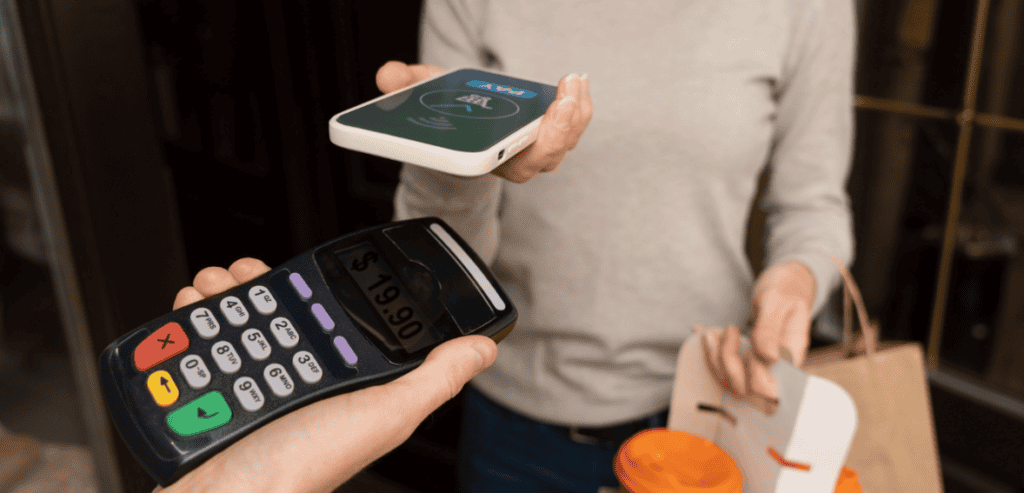
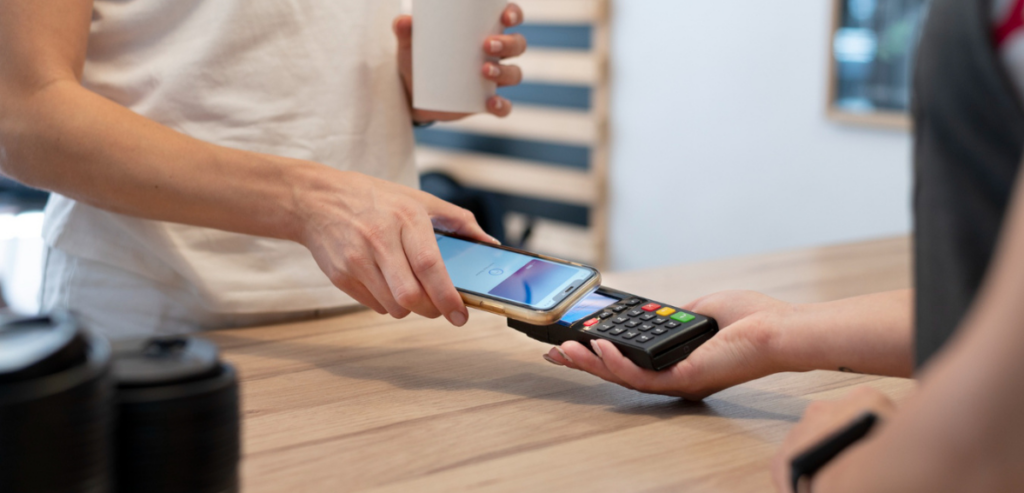
The use of advanced payment terminals that come equipped with big touchscreens, NFC readers that make payments within three seconds, electronic receipts that save time on paper, and screens for customers that display transactions and prompt them to interact makes the act of paying a hassle-free process that completes the purchasing process smoothly.
The versatility of the payment method provided by the smart payment terminals allows customers in Indiana the opportunity to make payments via chip cards, contactless cards, Apple Pay, Google Pay, and where appropriate, QR-code payments. Advanced payment methods that allow customers to choose from any method they prefer will reduce friction because customers will no longer feel inconvenienced due to a store being unable to provide their preferred form of payment.
Operational Improvements for Indiana Retail Staff
The staff experience of using smart payment terminals differs from traditional card machines in ways that affect both efficiency and morale, because touchscreen interfaces that are designed around current user experience principles are more intuitive to learn and faster to operate than the numeric keypad interfaces of traditional terminals. POS systems Indiana retailers are deploying for their staff include training support resources, intuitive interface designs that reduce the learning curve for new employees, and software that can be configured to match the specific transaction workflows of the business rather than requiring staff to adapt their processes to the terminal’s fixed design.
The reduction in transaction time that smart terminals deliver has staffing implications in high-volume retail environments where checkout speed directly affects how many customers can be served per hour, because the seconds saved per transaction multiply across thousands of daily transactions into meaningful throughput improvements that translate into either more customers served with the same staff or reduced queue lengths that improve the customer experience for everyone in the store.
Retail payment solutions Indiana businesses are selecting often include management features accessible through the same terminal that staff use for transactions, including real-time sales dashboards, staff performance metrics, and inventory status alerts that give managers operational visibility without requiring a separate management computer or periodic manual report generation.
Business Intelligence and Reporting Capabilities
One of the most significant operational advantages that smart payment terminals provide relative to traditional card machines is the business intelligence generated automatically from every transaction, which gives Indiana retailers access to operational data that was either unavailable or required manual compilation from traditional terminal records. Credit card terminals Indiana retailers used historically produced transaction records that needed to be manually downloaded, imported into separate software, and compiled into reports that were always retrospective rather than real-time.
Real-time dashboards showing the number of sales, transactions, average transaction amounts, payment methods used, and performance against previous period sales as they occur are produced by smart terminals that are integrated with cloud-based management systems. Such technology brings about a new way of operating in retail, as it allows for information on whether sales have been performed at the pace anticipated or expected compared to previous days throughout the day, unlike previously where such information would be received at the end of the trading day through reports.
New checkout systems integrated with inventory management enable sales per unit to be recorded as they occur and inventory adjusted accordingly, with low stock alerting mechanisms for specific units that go below certain levels, and thus stock-outs that happen in retail without integrated systems cease to exist.
The Transition Process for Indiana Retailers
Moving from traditional card machines to smart payment terminals involves decisions about hardware selection, payment processor relationships, software platform choices, and staff training that benefit from deliberate planning rather than reactive selection under time pressure. POS systems Indiana retailers select for the smart terminal upgrade should be evaluated based on the specific integration requirements of the business rather than on general capability comparisons, because the smart terminal that is best for a boutique clothing store with a Shopify e-commerce channel has different integration priorities than the one that is best for a specialty food retailer with a dedicated inventory management system.
The payment processor relationship associated with the terminal hardware matters because many smart terminal providers have preferred or exclusive processing relationships that define the rate structure available on their platform, and understanding the total processing cost across hardware, software, and processing fees together rather than evaluating each in isolation produces the most accurate comparison between terminal options.
Staff training for smart terminal transitions is generally faster than retailers anticipate because the touchscreen interfaces and intuitive design of current smart terminal software is more familiar to most employees than the numeric keypad interfaces of traditional card machines, and the similarity to smartphone and tablet interaction that most staff members already navigate fluently reduces the learning curve significantly.
Conclusion
Indiana retailers who have upgraded from traditional card machines to smart payment terminals are experiencing operational improvements that compound across every transaction in terms of speed, customer experience, and business intelligence. Credit card terminals Indiana businesses have historically relied on providing adequate payment processing capability for an earlier payment environment, but the gap between what traditional terminals offer and what smart terminals provide has grown wide enough that the comparison now reflects a genuinely different category of operational capability rather than incremental improvement.
Modern checkout systems and retail payment solutions built on smart terminal platforms give Indiana retailers the payment infrastructure that matches current customer expectations and that provides the operational intelligence, integration capability, and transaction speed that competitive retail management requires. The transition from traditional card machines to smart terminals is a straightforward process for most Indiana retail operations, and the operational improvements it produces justify the investment for businesses at virtually every scale and across virtually every retail category operating in the current payment technology environment